Ongoing foot-and-mouth disease (FMD) outbreaks in South Africa continue to highlight a significant vulnerability in livestock biosecurity: contaminated water sources.
Shared troughs, dams and water points can quietly facilitate transmission, enabling the virus to spread efficiently between animals and potentially between neighbouring farms.
Peroxsil, a specialised hydrogen peroxide formulation stabilised for agricultural applications, has demonstrated the ability to inactivate more than 99.9999% of FMD virus particles in water containing high levels of organic contamination.
Livestock producers across South Africa have traditionally prioritised visible biosecurity measures such as fencing, vaccination programmes, vehicle sanitation and restrictions on animal movement. While these remain essential components of disease prevention, recurring outbreaks suggest that an additional factor requires attention: the role of water as a transmission medium.
Water as a hidden transmission route
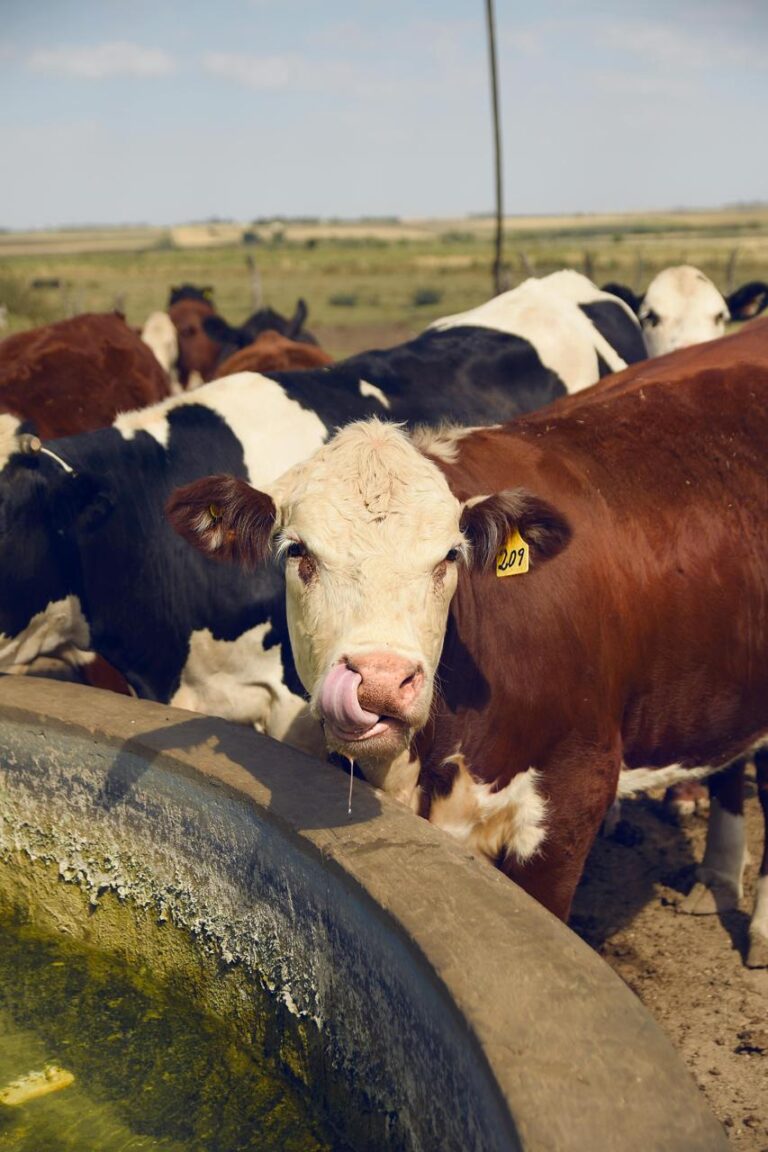
Water is the single resource every animal must access daily, making it a shared point of contact across any farming system. In intensive production environments, large numbers of animals’ drink from common troughs or surface water sources, creating ideal conditions for indirect viral transfer.
Although the FMD virus cannot multiply outside a living host, it can persist for extended periods in saliva, nasal discharge and organic material. When infected animals drink, even trace contamination introduced into a trough can effectively transform that water point into a concentration hub for viral particles. Subsequent animals consuming the same water are exposed, allowing infection to spread through the herd.
Runoff or effluent originating from infected animals can also enter rivers, canals or irrigation infrastructure, potentially transporting viable virus downstream over considerable distances. In this way, a localised outbreak can escalate into a broader regional risk.
Chlorine-based sanitation has historically been used to manage water hygiene on farms. However, practical use highlights several challenges:
- Biofilm protection – microorganisms can form protective layers on trough surfaces that reduce the penetration and effectiveness of chlorine-based disinfectants.
- Reduced palatability – concentrations high enough to overcome organic contamination may negatively affect water taste, which can discourage animals from drinking adequately.
- Environmental considerations – chlorine treatments may produce residual compounds that raise concerns regarding safety and environmental impact.
A validated oxidative solution
Hydrogen peroxide functions as a strong oxidising agent capable of disrupting cell membranes and damaging the genetic material of numerous pathogens, including FMD virus, E. coli and Salmonella. After reacting, it decomposes into water and oxygen, leaving no harmful residues and making it suitable for use in livestock drinking water.
Importantly, conventional hydrogen peroxide should not be confused with Peroxsil. Standard peroxide degrades quickly when exposed to light and organic material, limiting its effectiveness under real farming conditions.
Peroxsil is a proprietary formulation specifically stabilised for agricultural water systems. Its stabilisation technology allows the active ingredient to remain active for longer periods, even in troughs containing saliva, feed residues and manure contamination.
Independent studies performed by the Agricultural Research Council at Onderstepoort evaluated Peroxsil under conditions representative of commercial farming environments and reported:
- Viral reduction – greater than 6-log reduction (99.9999% inactivation) of FMD virus present in contaminated water.
- Performance in organic conditions – maintained efficacy despite heavy organic load, consistent with real-world shared trough scenarios.
- Safety and acceptability – treated water remained palatable for livestock and safe for both animals and handlers.
Strengthening existing biosecurity measures
Water sanitation is not intended to replace established biosecurity practices, but rather to enhance them. A preventative biosecurity strategy benefits from consistent water hygiene as an additional protective layer that reduces the likelihood of disease transmission before outbreaks occur.
When outbreaks do arise, pre-treated water sources may also reduce the speed at which infection spreads between animals, providing valuable time for containment efforts.
In South Africa’s grazing systems and areas where water sources are shared, a single contaminated point can expose multiple herds simultaneously. Introducing an oxidative barrier directly at the drinking point helps address a transmission pathway that conventional biosecurity measures may not fully control.
For further information: Douglas Spinas – 082 335 4280, [email protected]