Written by PJ, owner of VELD FIRST, KAROO DIREK, DIE VEEPOS and KAROO-KALAHARI VEEVOER & LOGISTIEK
The commodities futures market is a type of ‘financial time machine’ allowing buyers and sellers to lock in prices for physical goods such as wheat, oil, or gold, months before they are actually delivered.
It is essentially a way to trade promises about tomorrow’s prices to avoid today’s financial risks.
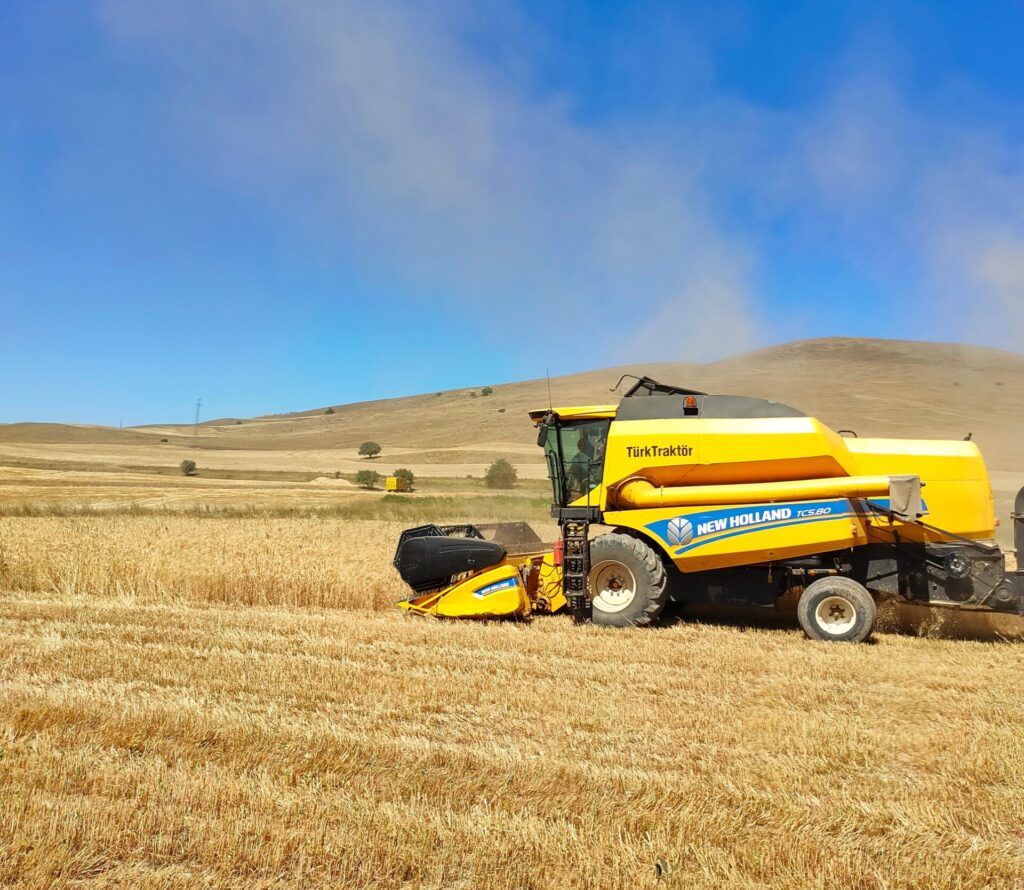
Photo: Celal Keser on Pexels
1. Commodities
A commodity is any basic raw material or agricultural product that is exactly the same no matter who produces it. Examples:
- a tonne of maize, a barrel of crude oil, or an ounce of gold.
The Rule: since one farmer’s maize is virtually identical to another’s, they can be traded interchangeably on a global market.
2. Futures Contracts
A futures contract is a legally binding ‘lock-in’ agreement between a buyer and a seller.
- The Contract: you agree today on the exact price for a commodity that will be delivered and paid for on a specific date in the future.
- The Risk: both parties must follow through, no matter what happens to the actual market price by the time that date arrives. If you lock in maize at R4000 per tonne, you must pay or accept that price, even if the market price crashes to R3000 or
spikes to R6000.
3. Options
An option is a financial contract that gives you the choice, but not the obligation, to buy or sell a commodity at a set price.
- How it works: you pay a small, non-refundable fee up front (like an insurance premium) to buy an option.
- The result: if the market price moves in your favour, you can use your option to make a profit. If the market moves against you, you can simply let the option expire and walk away. Your only loss is the small fee you paid at the start.
Quick Comparison: Futures vs. Options
Feature | Futures contract | Option contract |
Obligation | Mandatory. You must buy or sell. | Optional. You choose whether to act. |
Upfront Cost | None (only a temporary cash deposit). | A non-refundable fee (premium). |
Risk Level | High -unlimited potential for loss. | Limited – you can only lose the upfront fee. |
While the actual global agricultural primary production value is calculated at ~US$3 trillion to ~US$5 trillion annually, the total value of agricultural futures and options traded on financial markets is estimated to be several times the size of the physical market,
often representing 300% to 500% (or more) of the physical commodity value depending on the specific market dynamics and volatility of that specific commodity. This happens because the financial markets do not just trade the physical commodity itself; they trade paper contracts that change hands multiple times before expiring.
Understanding the impact of the commodities futures market on the agriculture sector
Understanding the commodities futures market is a matter of survival for farmers because it allows them to lock in a guaranteed selling price and protect their farm from sudden market price crashes. As noted above, the commodities futures market is a legal agreement to buy or sell a crop at a set price on a future date. Without this tool, farmers face extreme financial risks.
Why Futures Markets matter
- Price protection (hedging): farmers can use a strategy called hedging – selling futures contracts before harvest – to lock in a known price. If market prices drop later, the profit from the futures contract makes up for the lower cash price of the crop.
- Income predictability: farming requires high upfront costs for seeds, feed, fertiliser and fuel long before the commodity is sold. Knowing the future selling price helps farmers budget and ensures they can pay their bills.
- Bank loans and credit: banks are more likely to lend money for seeds and equipment when a farmer has locked in a guaranteed selling price. It proves the farm will earn enough money to repay the loan.
- Managing production costs: prices for fuel and fertiliser change constantly. Understanding futures helps farmers coordinate what they spend on supplies with what they expect to earn.
- Overcoming and mitigating risks: when a whole region has a massive harvest, crop prices usually drop. Futures contracts protect individual farmers from losing money during a market-wide price collapse.
An understanding of the commodities market can transform a farmer from a price-taker into a strategic price-maker, turning unpredictable market volatility into a manageable operating expense. When a farmer understands how to read, monitor, and execute
positions in the commodities market, he gains the ability to proactively secure profit margins months before a single seed is planted, a calf is weaned, or a bale of wool is sheared.

Contact PJ at 072 073 6805
Relevant Agribook pages include “Commodity trading.” The Business Listings below comes from that page.