“It is an important intervention to ease pressure on agricultural production costs and food prices”, said Johann Kotze, AgriSA Chief Executive Officer.
Finance Minister Enoch Godongwana announced that the government will reduce the general fuel levy by R3 per liter for diesel and R1.50 per liter for petrol from 4 November to 1 December 2026. The relief will then be reduced to R1.50 per litre for diesel and R1 per litre for petrol until 5 January 2027.
The announcement comes at a critical time for South African agriculture, on the eve of the summer grain planting and summer fruit production seasons. With El Niño conditions expected to bring heightened climatic risks, and fertilizer and fuel costs that have remained persistently high throughout the year, producers are entering this crucial production period under considerable financial pressure.
“Against this backdrop, the fuel relief is particularly welcome. Diesel is a major input across agricultural operations and the entire food system. The intervention will provide much-needed relief at a time when farmers are making critical production and investment decisions,” said Kotze.
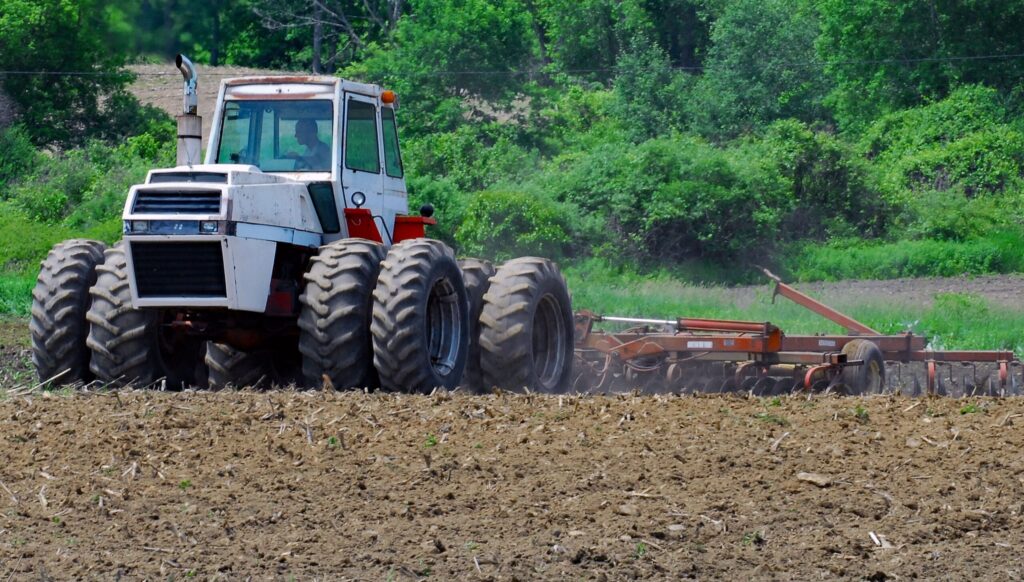
Photo: Bruce Squiers on Pexels
AgriSA also welcomes targeted allocations in the Adjusted Estimates of National Expenditure, including:
- R183 million carried forward for foot-and-mouth disease (FMD) vaccine procurement.
- R242 million in additional funding to rehabilitate flood-damaged agricultural infrastructure.
- R1.46 billion for rehabilitating flood-damaged national and provincial roads, which are also vital to agricultural logistics and market access.
While these allocations are positive, AgriSA emphasises that effective implementation is critical. FMD remains a major threat to livestock production and export markets, requiring a sustained, properly funded vaccination and biosecurity programme rather than reliance on emergency interventions.
Similarly, infrastructure investment must extend beyond disaster recovery. Reliable roads, water systems and logistics networks are essential to lowering production costs, attracting investment and expanding agricultural exports.
AgriSA remains concerned about the need for predictable and adequate agricultural development finance, including strengthening the Land Bank, and dedicated investment in climate resilience and El Niño preparedness.
“The MTBPS provides welcome short-term relief, but agriculture’s long-term contribution to economic growth, employment and food security depends on sustained investment in the systems that support production.”
Government has a direct interest in agricultural growth. Since 2012, agriculture has grown by an average of 3% annually, compared to 1% for the broader economy. Sustaining this growth is a shared priority, with targeted investment in biosecurity, infrastructure, and agricultural finance essential to unlocking further investment, jobs, and exports.
Photo: Celal Keser on Pexels
Relevant Agribook pages include “Fuels and lubricants.” The Business Listings comes from that page.