South African citrus exporters are set to benefit from improved market access to India, following the approval of additional treatment options for fresh citrus fruit after nearly a decade of negotiations.
In a statement, the Citrus Growers’ Association of Southern Africa (CGA) and the Department of Agriculture announced that India has approved additional fruit fly cold treatment options, which will allow the quality of the fruit in the market to improve and add important logistical flexibility.
South Africa already exports citrus to India using various fruit-fly treatment protocols.
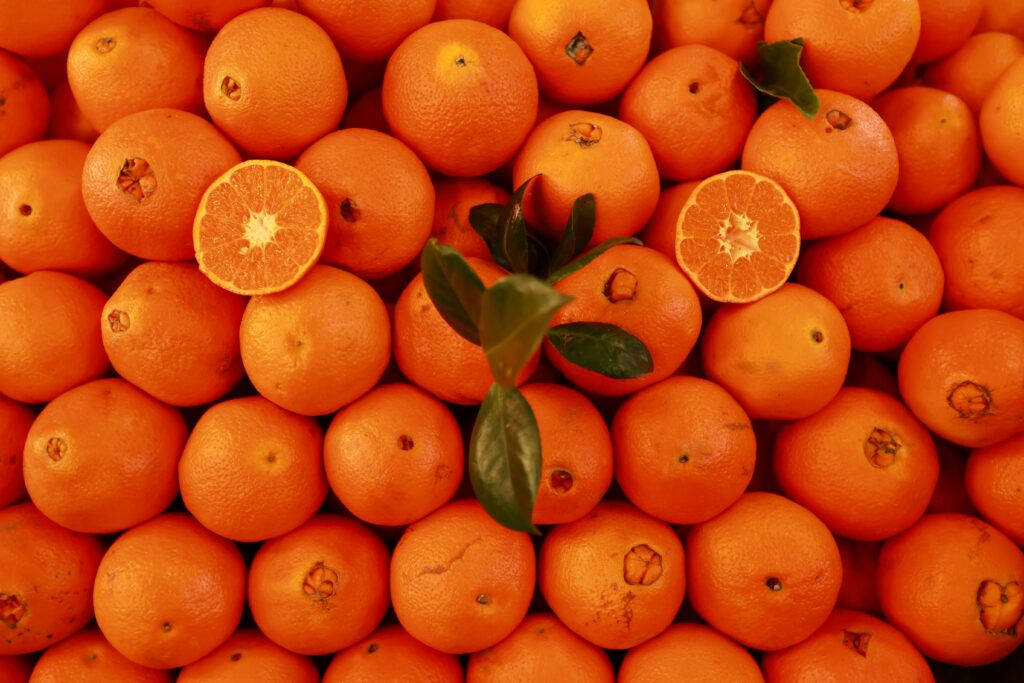
Agriculture Minister Willie Aucamp welcomed the development, saying “it indicates how advanced technology enables South African farmers to push barriers to have other countries enjoy our high-quality produce.”
With a population of approximately 1.47 billion people and one of the world’s largest and fastest-growing economies, India presents significant growth potential for South African citrus exporters.
Despite this, India’s share of exports from South Africa is very small and thus presents an exceptional opportunity for growth.
India is itself one of the world’s largest citrus producers, with consumers already familiar with the product category.
South Africa’s counter-seasonal production provides an opportunity to complement domestic supply, particularly as the middle class expands, health-conscious consumption grows and demand for mandarin-type citrus increases.
Citrus Growers’ Association of Southern Africa Chief Executive Officer, Dr Boitshoko Ntshabele, commended the Department of Agriculture and Citrus Research International for their continued technical engagement with Indian authorities that have made the new treatment options possible.
“This demonstrates the importance of sustained public-private partnership in improving technical conditions for accessing markets,” Ntshabele said.
He also emphasised that attention should now shift towards improving the commercial conditions under which South African citrus enters the Indian market.
Most-Favoured-Nation tariffs of approximately 25-30% continue to place South African citrus at a disadvantage compared with Southern Hemisphere competitors benefiting from preferential tariff arrangements.
“We look forward to working with the Department of Trade, Industry and Competition (the dtic) on the critical task of addressing these tariff barriers and improving the competitiveness of South African citrus in the Indian market going forward,” Ntshabele said.
The CGA said that with positive developments in the Southern African Customs Union (SACU) -India Preferential Trade Agreement process, continued momentum towards improved preferential access will help unlock India’s great market potential and support the long-term sustainability and diversification of the South African citrus industry.
“The CGA sees combining improved phytosanitary market access with more competitive tariff conditions as being key to growing South Africa’s presence in India and supporting the long-term sustainability, growth and diversification of the South African citrus industry.”
This article first appeared in SA News. Find it here.
Photo: Yare Andrades on Pexels
Relevant Agribook pages include “Citrus fruit.” The Business Listings come from that page.