Written by PJ, Veld First, Karoo Direk, and Die Veepos
Market saturation is the point in the life of that market when the volume of a product in a marketplace equals the maximum demand of that market, meaning no new buyers remain and sales will plateau and begin to fall.
Key signs of market saturation include:
- stagnant sales growth / slowing revenue
- intense price competition
- competition for customers,
- market is overwhelmed with choice of brand, platform, special offers etc
- falling profit margins
- congestion among sellers
Another way to view the challenge is from the perspective of the maturity or age of the specific market. As a market matures, there will be fewer and fewer people who have not been exposed to, or offered the various services and suppliers. Many, and then most players and potential clients will have used the product or service. The mature market begins to lose energy.
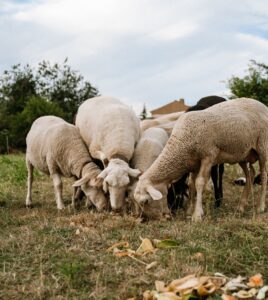
Examples of causes of saturation in the livestock market
- oversupply of stock: as has happened in Australia with their store lambs – genetic selection for multiple litters has resulted in market saturation
- feed and other input costs: animals flood markets as feed, energy prices rise and/or grazing fails.
- seasonal liquidation: farmers sell simultaneously to raise cash for operating and domestic reasons
- logistical constraints: small producers lack on-farm capacity and must livestock on market-readiness
- policy, compliance and enforced costs: as farming operations fail due to everincreasing costs and enforced constraints, supply to market will increase
- drought as a driver for forced sales
Ways to adapt to market saturation
- strategic innovation: build a new market and/or model
- product innovation: add new value-based features to encourage use
- market diversification: expand into new geographic areas, un- or underserviced areas, or target different demographics.
- niche targeting: focus on a small, specific sub-group of buyers.
- expanding market share: win existing customers from competitors through better branding

Contact PJ at [email protected]
Photo: ronyescobarhn on Pexels
Relevant Agribook pages include “Marketing.”