Written by PJ, from VELD FIRST, KAROO DIREK, DIE VEEPOS and KAROO-KALAHARI VEEVOER & LOGISTIEK
South Africa has over 600 plant species known to be poisonous to livestock, with a few highly toxic plants responsible for the majority of severe illnesses and sudden deaths on farms.
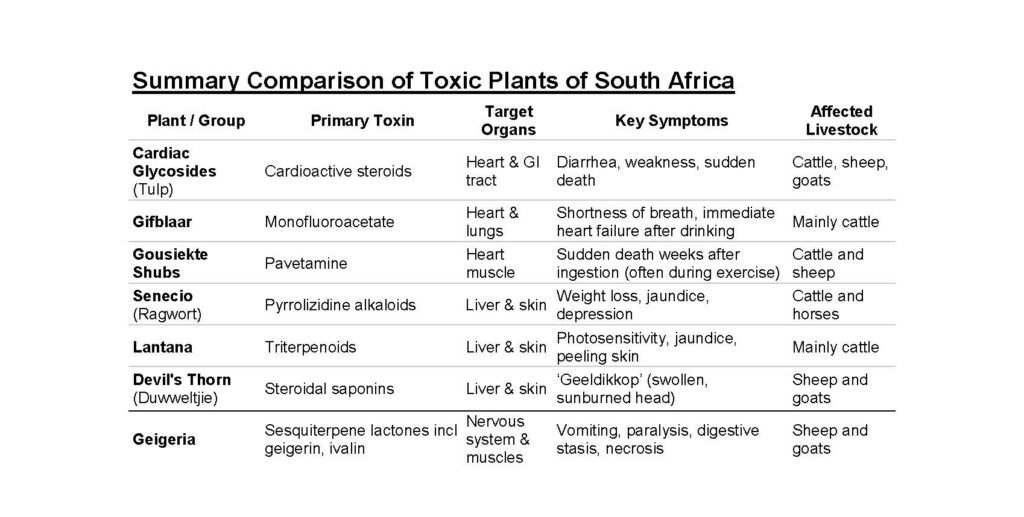
The most toxic plant poisonings affecting livestock in South Africa were historically classified in a seminal 1996 study by Kellerman et al. The seven plant categories or syndromes account for the vast majority of livestock mortalities and economic losses across South African agricultural districts.
Cardiac glycoside-containing plants (tulp, slangkoppe, plakkies)
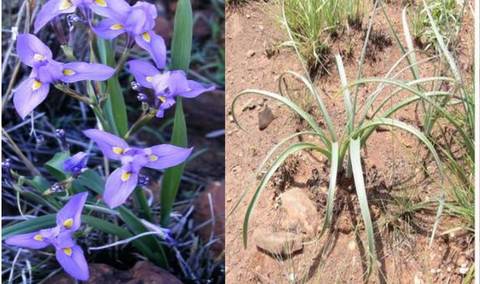
These are considered the single most significant cause of livestock poisoning in Southern Africa. Species like Moraea pallida (Geeltulp), and Moraea polystachya (Bloutulp) contain cardiac glycosides (bufadienolides) that seriously affect cattle, sheep, and goats.
Ingesting even small amounts leads to severe diarrhea, weakness, irregular heartbeat, respiratory distress and sudden death.
Slangkop (Urginea and Drimia species): Another potent cardiac glycoside-containing group (such as Transvaal slangkop) common in rocky or sandy veld.
It causes severe heart damage, laboured breathing, and high mortality rates in ruminants.
Gifblaar (Dichapetalum cymosum)

Famously known as ‘poison leaf’, this low-growing underground tree contains monofluoroacetate. It primarily strikes cattle in the northern regions during early spring when it sprouts bright green leaves before the grasses emerge. It causes sudden, acute heart failure when the animal drinks water after ingestion.
Symptoms of gifblaar toxicity include vomiting, seizures, and an irregular heartbeat, and death can occur in as little as a few hours.
This poison is known as ‘the poison that keeps on killing’ because the toxin stays in the body after the animal dies, so if a predator eats the animal, the predator gets poisoned, and so on up the food chain.
Gousiekte-causing plants (Pachystigma, Fadogia, Cestrum and Pavetta species)
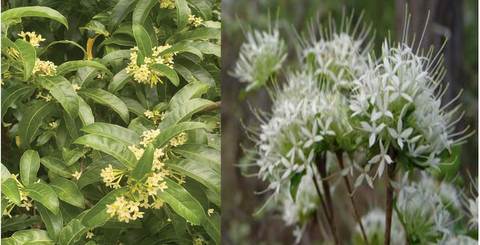
Above: Inkbos (Cestrum laevigatum) and, right, Gifbruidsbos (Pavetta schumanniana)
Translated as ‘quick disease’, gousiekte is caused by the toxin pavetamine found in certain small shrubs of the Rubiaceae family, for example ‘gifbruidsbos’. Animals typically die suddenly of heart failure 4 to 8 weeks after eating the plant, often triggered by minor exertion.
Inkbos (Cestrum laevigatum) (inkberry), an invasive poisonous shrub native to South America, is widely distributed across the higher-rainfall and moist eastern and coastal regions of South Africa.
Poisoning from this invasive plant usually occurs among cattle in June and July, when it is drier, but even in early springtime after first rains. During drier months when the veldt has been grazed bare, cattle will eat this plant in a non-selective manner. At this stage, the concentration of toxins – gitogenin and digitogenin – is at its highest in the green berries of the plant.
Although the shrub was originally found mainly in certain parts of KwaZulu-Natal, it is now found in areas along the Vaal River in the Northern Free State and North West as well. It is easily spread by birds that eat the berry with the seed and excrete it in manure. Berries can be poisonous to cattle, sheep and goats.
Symptoms of poisoning are typically those of colic, including restlessness, grinding of teeth, cramping and moaning. Eye discharge, constipation, poor balance, sunken and staring eyes are also symptoms of this poisoning. The poison works quickly and often the animals are found dead before any symptoms can be recorded.
Seneciosis (Senecio species / Ragworts)
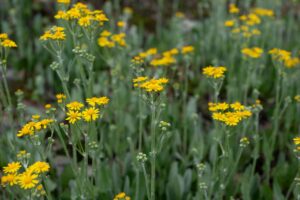
There are hundreds of Senecio species in South Africa. They contain pyrrolizidine alkaloids that cause severe, irreversible liver damage and jaundice (hepatotoxicosis) in cattle and horses. Symptoms often look like FMD!
Lantana (Lantana camara)
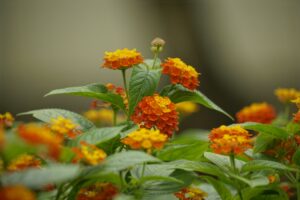
An aggressive, invasive alien shrub that is highly toxic to cattle. Ingestion leads to intrahepatic cholestasis (liver damage) which causes severe photosensitivity, swelling of the face, and sloughing of the skin.
Devil’s Thorn (Tribulus terrestris) (duwweltjie)
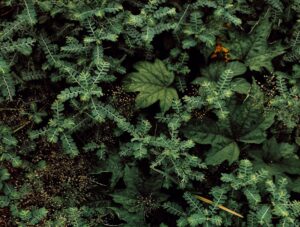
This plant proliferates in disturbed or overgrazed veld. When eaten by sheep and goats under specific climatic conditions, it causes a liver-mediated photosensitivity syndrome known locally as ‘geeldikkop’ (yellow thick-head)
Vermeerbos (Geigeria africana)
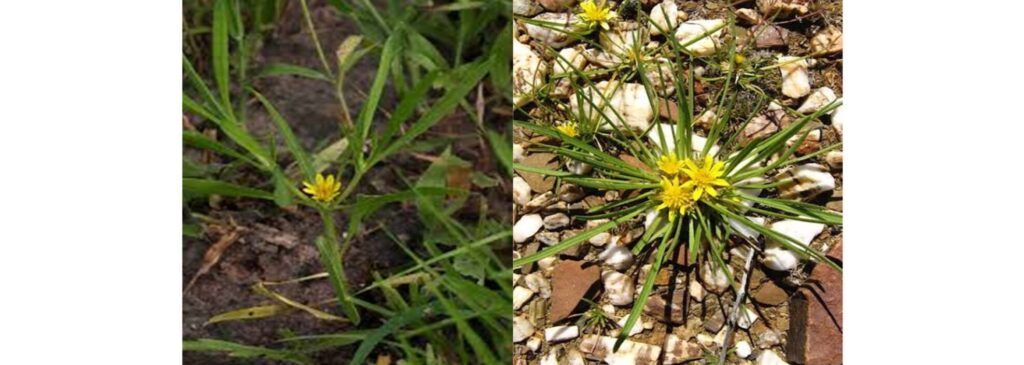
A small Karoo bush responsible for ‘vermeersiekte’ (vomiting sickness) in sheep and goats, causing severe neuromuscular damage,
bloating, and paralysis.