Written by PJ, owner of VELD FIRST, KAROO DIREK, DIE VEEPOS and KAROO-KALAHARI VEEVOER & LOGISTIEK
South African livestock farmers should consider key market conditions and both weather and energy price forecasts for late 2026 and 2027 before rushing to sell livestock and/or slaughter ahead of the end of year.
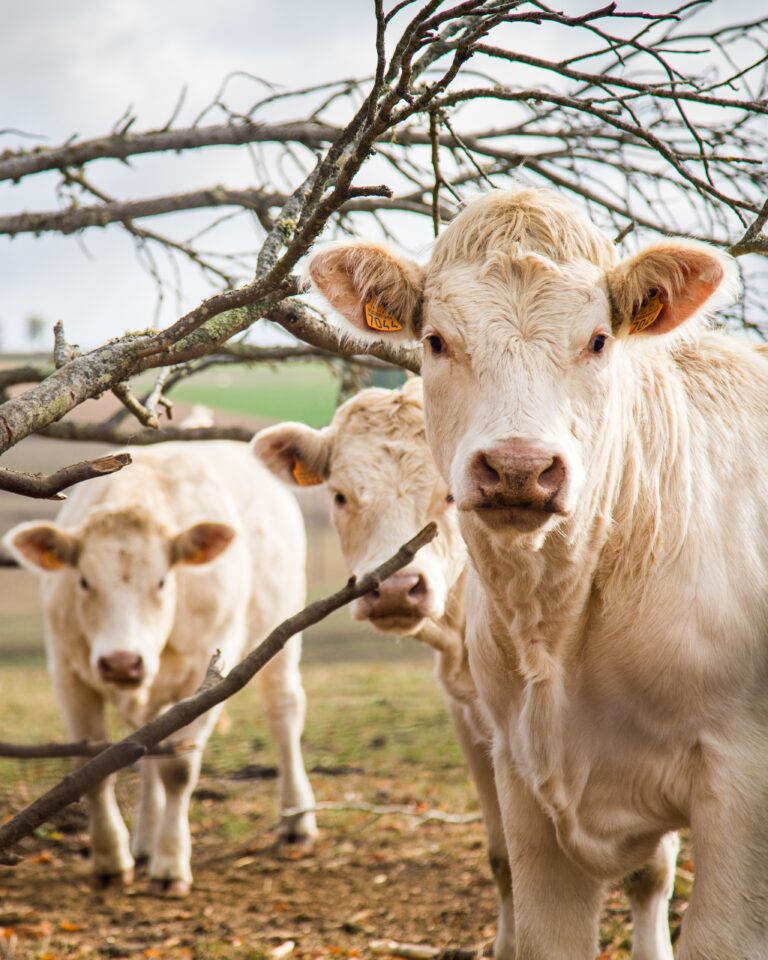
Image by wirestock on Magnific
Overview of the current situation
- Improved veld conditions grazing and lower feed costs: exceptional rainfall and high national dam levels (~95% in mid-2026) have restored grazing and water supply. If feed suppliers, traders and logistics managers are willing to pass on the season’s benefits to farmers, we should see lowered grain/feed costs, including maize and soybeans, and this should begin to ease production and other operating costs.
- Rebuilding herds: many livestock farmers are now actively retaining breeding animals to rebuild herds depleted during earlier dry cycles. This will limit immediate red meat slaughter volumes and supports firmer prices moving forward, albeit cheap imports will remain a challenge to local producers.
- Divergent species trends: while red meat such as beef, lamb, mutton, and weaners, is enjoying strong demand and tighter supplies, pork and poultry have faced more price pressure and competitive supply.
- Consumer vulnerability and price sensitivity: the broader South African economy remains tight, meaning festive-season buyers will look for value, leading to high selectivity between premium cuts and budget-friendly protein options. The retail interest rate cycle, inflationary pressures, a weak currency and exploding energy prices will keep consumer spending subdued.
Preparation for ‘The Season’
- Optimise carcass weights: take full advantage of excellent veld conditions and cheaper feed to finish animals to higher, more profitable class grades, for example Class-A beef or well-conditioned lamb. Time your finishing to end a couple of weeks before the peak December rush.
- Stagger marketing windows: try and avoid ‘dumping’ all of your stock onto the market at once; coordinate with local agents and feedlots, and target pre-Christmas peak demand windows.
- Monitor livestock condition and biosecurity issues: maintain protocols around biosecurity, compliance issues etc, for example foot-and-mouth disease management and movement compliance. The objective is to minimise and prevent unexpected delays ahead of the holiday season.
- Factor in El Niño early warnings: as noted earlier in related articles, while current grazing is excellent, meteorological services have flagged incoming El Niño / dry-risk alerts for the upcoming 2026/27 summer season. Even if forecasts are only 50% correct, it could be to a farmer’s advantage to set aside surplus income from Christmas sales as an ‘insurance’ against these warnings. For example, take a percentage of your income from sales of the last quarter and invest in building fodder reserves or debt reduction rather than engaging in aggressive expansion.
- Repair and fill your diesel bowsers: prepare a ‘worst-case / alternative’ first quarter budget of 2027 using a diesel price of R45/litre. I encourage you to err on the side of caution in this regard.
In closing, focus on herd retention, building average condition, reducing average herd age and weight optimisation per head. Superior veld conditions and good recent rainfall have resulted in abundant high quality available feed. This should allow farmers to hold back animals for heavier, better-conditioned carcasses rather than rushing to sale and chasing slaughter prices.