Written by Wandile Sihlobo, Presidential Envoy on Agriculture and Land; Chief Economist of the Agricultural Business Chamber of South Africa; and a senior research fellow in the Department of Agricultural Economics at Stellenbosch University
South Africa’s agricultural exports have remained strong since the start of the year, supported by a strong domestic harvest and generally strong global demand for food products.
After solid export activity in the first quarter of the year, South Africa’s agricultural exports totalled US$4.1 billion in Q2 2026, up 10% from the same period a year ago. This again reflects both higher export volumes across products and better commodity prices. For the first half of 2026, South Africa’s agricultural exports amounted to US$7.8 billion, up 11% from the first half of 2025.
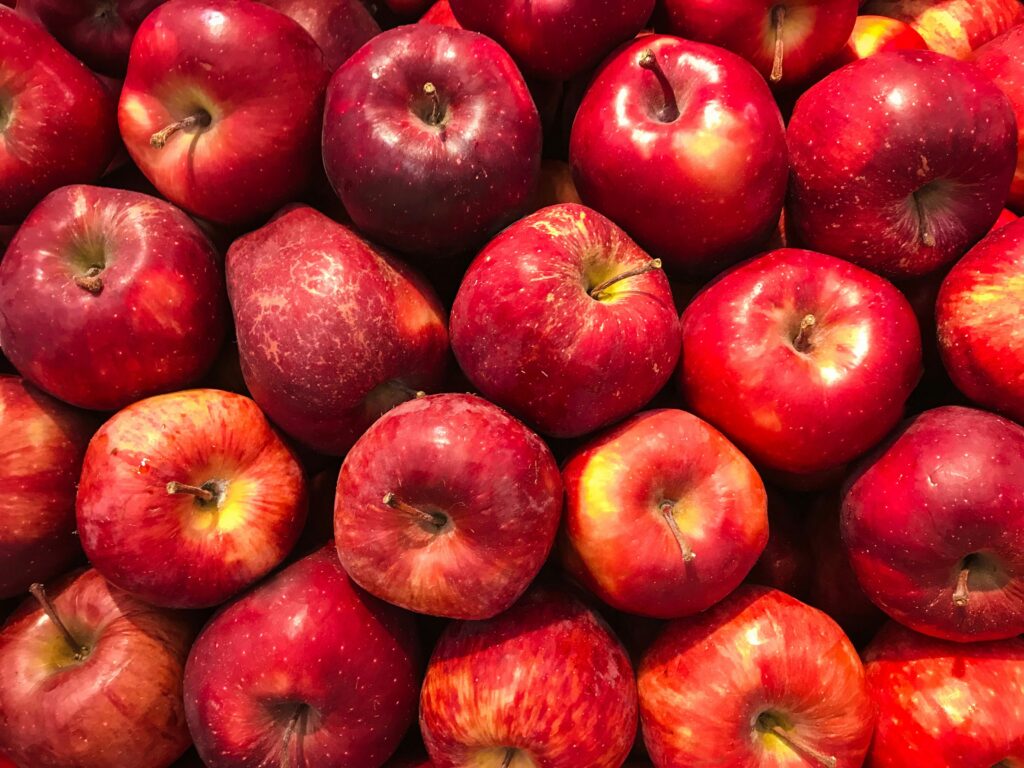
The products that dominated the exports list in the second quarter of 2026 were mainly citrus, apples and pears, maize, wine, dates, figs, pineapples, avocados, guavas, mangoes, wool, sugar, fruit juices, grapes, and nuts, amongst other products.
While there remains a need for further improvement in port efficiency, particularly at the Port of Cape Town, which has posed challenges for agricultural export industries, there has been material improvement in other ports, such as the Port of Durban and the Eastern Cape ports, compared to recent years.
Agricultural export activity in the second quarter experienced less friction than in the recent past.
Moreover, in the current environment of generally elevated trade friction and geoeconomic tensions, South Africa’s efforts to diversify export markets remain critical to the growth of the South African farming sector.
From a regional perspective, the African continent accounted for the lion’s share of South Africa’s agricultural exports in the second quarter of 2026, at 40% of the total value. The products leading the export list in Africa were maize, apples and pears, processed foods, sugar, fruit juices, soybean oil, wine, and sunflower oil, among others.
Together, Asia and the Middle East were the second-largest agricultural markets, accounting for 24% of total agricultural exports in the second quarter of 2026. The exports to this region primarily included citrus, apples and pears, maize, wool, nuts, sugar, mutton, beef, berries, wine, and soybeans, among other products.
The EU was South Africa’s third-largest agricultural market, accounting for 21% of the market share. Citrus, dates, figs, pineapples, avocados, guavas, wine, apple and pears, fruit juices, and nuts were among the primary agricultural products South Africa exported to the EU in the second quarter of 2026.
The Americas region accounted for 5% of South Africa’s agricultural exports in the second quarter of the year. Main exports include citrus, wine, grapes, peaches, apricots, pears, apples, nuts, and grapes.
Notably, South Africa’s agricultural exports to the U.S. increased by 56% in the second quarter of 2026, from the first quarter of the year to US$123 million. The decline in U.S. tariffs, from 30% to 12.5%, among other factors, has been the major contributor to the increase in South Africa’s agricultural exports to the U.S.
Still, exports are down by 25% from the second quarter of 2025, when South African agricultural exporters took advantage of the 90-day pause before the “Liberation Day tariffs” came into effect. The U.S. market accounted for 3% of South Africa’s overall agricultural exports in the second quarter of 2026.
The 3% share of the U.S. in overall South African agricultural exports is not insignificant, as few industries are primarily involved in these exports. These are mainly citrus, grapes, wine, and fruit juices. Since the start of the African Growth and Opportunity Act (AGOA), the percentage share of South Africa’s agricultural exports to the U.S. has remained at these levels. From now on, much hinges on whether South Africa secures favourable trade terms with the U.S. by extending AGOA.
The rest of the world, including the United Kingdom, accounted for 10% of South Africa’s agricultural exports in the second quarter of 2026.
South Africa also imports various agricultural products. In the second quarter of 2026, South Africa’s agricultural imports totalled US$2.0 billion, a 12% increase year-over-year. This reflects slightly higher value and volume of major products South Africa imports, such as wheat, palm oil, poultry, and whisky. For the first half of 2026, South Africa’s agricultural imports amounted to US$3.9 billion, up 5% from the first half of 2025.
South Africa lacks favourable climatic conditions for growing rice and palm oil and thus relies on imports of these products. Regarding wheat, South Africa imports nearly half of the annual consumption. In the Free State province, once one of the country’s major wheat-growing regions, production has declined notably over time because of unfavourable weather conditions and wheat’s lower profitability compared with other crops. Meanwhile, imports account for around 20% of the annual domestic poultry consumption.
Subsequently, when we account for exports and imports, South Africa’s agriculture sector recorded a trade surplus of US$2.1 billion in the second quarter of 2026, up 9% from the previous year. Higher exports drove this improved trade surplus.
Overall, South Africa has had a solid start to 2026 for exports. Still, in the current environment of heightened geoeconomic tensions, South Africa’s export-oriented agricultural sector must focus on maintaining its existing export markets and expanding into new ones.
This article first appeared on AgriView. Find it here.
Photo by Matheus Cenali on Unsplash
Relevant Agribook pages include “Exporting.” The Business Listings below comes from that page.