Written by PJ, owner of VELD FIRST, KAROO DIREK, DIE VEEPOS and KAROO-KALAHARI VEEVOER & LOGISTIEK
There are variables and invariables beyond our management and control. Similarly, many of the consequences and outcomes resulting from how these factors play out, are also beyond our control. However, our decision making, risk mitigation, and responses to variables and invariables are well within our control and under our management.
For example, given weather forecasts AND our careful record keeping of weather on our farms, we should be in a position to take a quality decision as to whether or not to transport stock or to shear.
Many aspects of environmental stress are beyond our control, this for obvious reasons. Nevertheless, a better understanding of how this stress impacts commercial livestock will assist farmers in taking high quality decisions with regards to managing their stock. Environmental stress in livestock can be considered in three main categories: abiotic (climate and physical factors), biotic (living organisms), and management-related (human handling and housing).
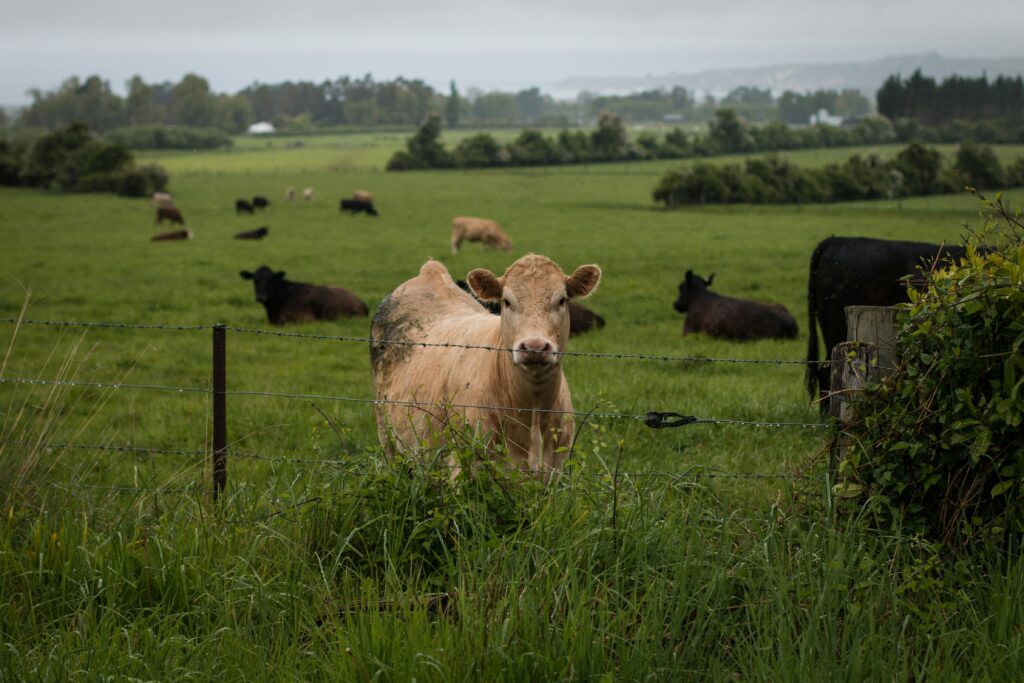
Photo by Eric Schroen on Unsplash
Abiotic (thermal and physical – incl climatic) stress
- Heat stress: occurs when temperatures rise above 25°C, especially with high humidity. Animals like pigs and poultry cannot sweat, leading to reduced feed intake, lower milk / egg yield, and decreased fertility.
- Cold stress: extended exposure to low temperatures forces animals to burn extra energy to stay warm, which slows growth and weakens immune defenses.
- Solar radiation: direct sunlight increases heat burdens, particularly on dark-haired or newly shorn animals prone to sunburn.
- Weather events: extreme storms, floods, and droughts destroy shelters and drastically reduce pasture and water quality, temperature and availability
- Rain+Wind+Cold: a terrible trio in terms of stress. The combination can cause dangerous drops in ambient temperature, often with serious consequences for animal health and productivity.
- Drought and shortages: extreme dry weather reduces the availability of natural grass, fodder, clean drinking water, and subsequently the intake of minerals and trace elements.
Biotic (biological and/or genetic) stress
- Parasitism: internal and external parasites drain vital nutrients and energy, impairing growth and reproduction.
- Disease pathogens and risks: infections trigger high-energy immune responses that divert nutrients away from normal production. Stress weakens the immune systems of young and older animals, making them more susceptible to diseases.
- Social competition: overcrowding or mixing unfamiliar groups triggers aggression and social dominance fighting. This can occur at watering points, licks, prime grazing areas, gateways and in kraals.
- High Inbreeding co-efficient: poor genetics and/or breeding programmes can lead to an animal’s inability to cope with even minor stress events.
Management-related stress
- Air quality: under intensive, battery and even feedlot conditions, poor ventilation traps high levels of ammonia from waste, damaging respiratory tissues and inviting infections.
- Confinement and flooring: slippery floors, poor lighting, and persistent loud noises cause chronic behavioural discomfort.
- Handling and transport: loading, moving, and weaning, all generate acute ‘fight-or-flight’ responses that elevate cortisol and suppress immunity.
- Synthetics: the overuse, incorrect use and reliance on synthetic preparations in the hope of supporting animal health will in the long-run result in significant stress for the treated animals, not to mention the financial stress for the farmer.
- Noise: this stress significantly damages livestock health, behaviour, and productivity by triggering fear responses and altering underlying physiological systems. While animals can adapt to moderate, steady background sounds, sudden or high-intensity noise exceeding 70 to 80 decibels (dB) acts as a severe environmental stressor
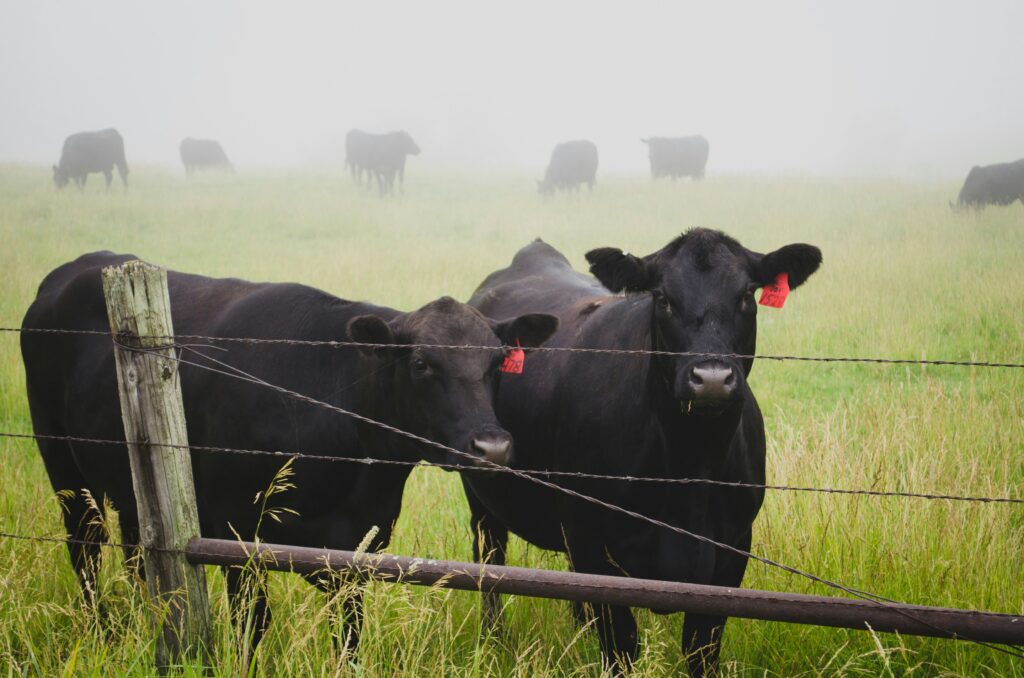
Photo by Kelly Sikkema on Unsplash
IMPACT OF ENVIRONMENTAL STRESS ON LIVESTOCK
Productive and economic impacts
The productive and economic losses which often result from ongoing stress on livestock need no explanation.
Direct physical and productive impacts
- Lower feed intake: stressed animals eat less food, produce less milk, are less productive and lose condition
- Reduced growth: chronic stress slows down the daily weight gain of growing animals.
- Physical exhaustion / lethargy: stress disrupts internal thermo-regulation. In ruminants, temperature fluctuations in the rumen are a serious challenge.
Physiological and health consequences
- Hormonal spikes: stress causes an immediate release of stress hormones like cortisol and corticosterone. Chronic and continual exposure to stressors keeps these baseline levels high. In pregnant animals, these spikes, and continual high baseline hormone levels will have severe consequences for the foetus.
- Cardiovascular strain: stress elevates an animal’s heart rate and respiration rate, leading to a significant increase in energy usage whilst simultaneously suppressing appetite. Loss of condition and physical exhaustion are inevitable.
- Weakened immunity: constant stress alters white blood cell counts (such as lymphocytes), leaving livestock more vulnerable to infections and diseases
- Impaired digestion: stress stops normal rumen contractions in ruminants, which disrupts feeding patterns and rumination times, slowing down meat or milk production.
- Reduced weight gain: during times of stress, energy is redirected to mechanisms of coping and managing the stress, such as fight or flight. Stressed animals show significantly lower daily weight gains
Reproductive and behavioural disruptions
- Fertility issues: prolonged periods of stress delays oestrus in female livestock and can compromise sperm quality and volume in breeding males.
- Behavioural panic: extreme instances of stress (stress events) can cause panic, stampeding, or aggressive flight behaviour. This frequently results in physical injuries, bruising during transport, or trampled offspring.
- Hormonal imbalance: stressors such as extreme temperature, alters hormone levels, making the signs of fertility readiness, weaker or harder to notice.
- Lower fertility: stress, either directly or indirectly will lead to lower conception rates. For example, studies show that conception rates drop by ~4.6% for each point the Temperature-Humidity Index (THI), a standard measure combining heat and moisture, rises above 70.
- Pregnancy loss: stress can cause early embryo death, aborted near- or full term foetuses, dystocia and lower birth weights in newborns.

Contact PJ at 072 073 6805