
Rustler’s Valley (Part II): What problem do you most want to solve?
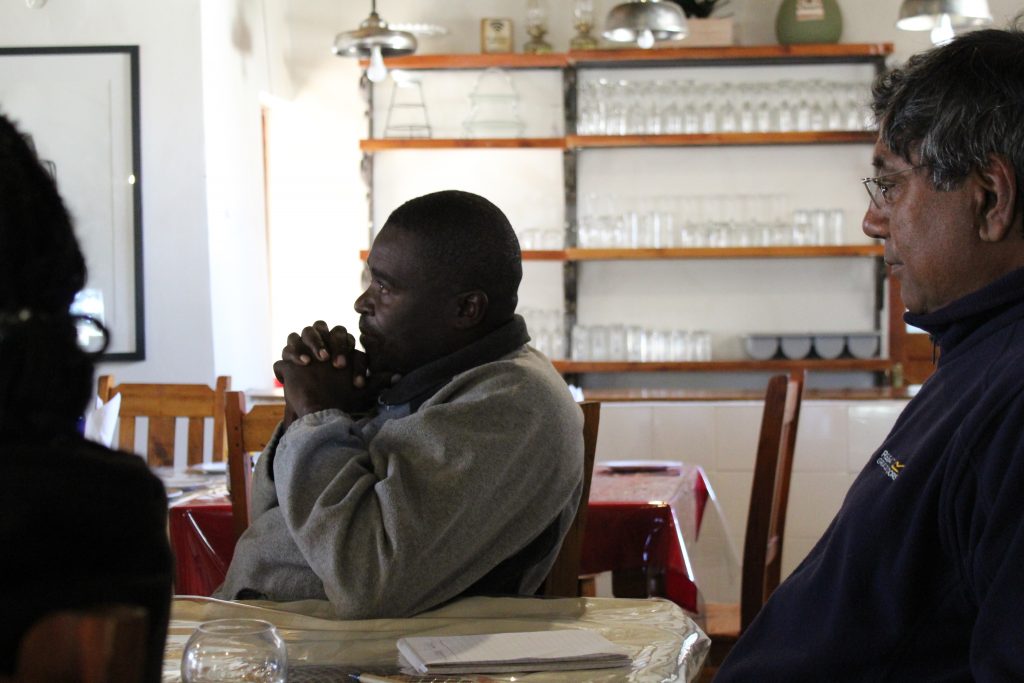
By Craig Macaskill Posted 2017-09-13 In Blog “What problem do we most want to solve?” The question is posed by Gino. Gino Govender has a history of organising and strategy, in trade unions and human rights organisations. His path has led him here, to being one of the founding members of EarthRise Trust, a not-for-profit initiative […]
Rustler’s Valley (part I): The Rumour

By Craig Macaskill Posted 2017-09-13 In Blog When I was growing up as a kid near Ficksburg in the Eastern Free State, Rustler’s Valley was what its name suggests: a hold out for the lawless; a safe haven from polite society. The local community was scandalised by stories of what transpired behind those there mountains: […]
Tree nuts
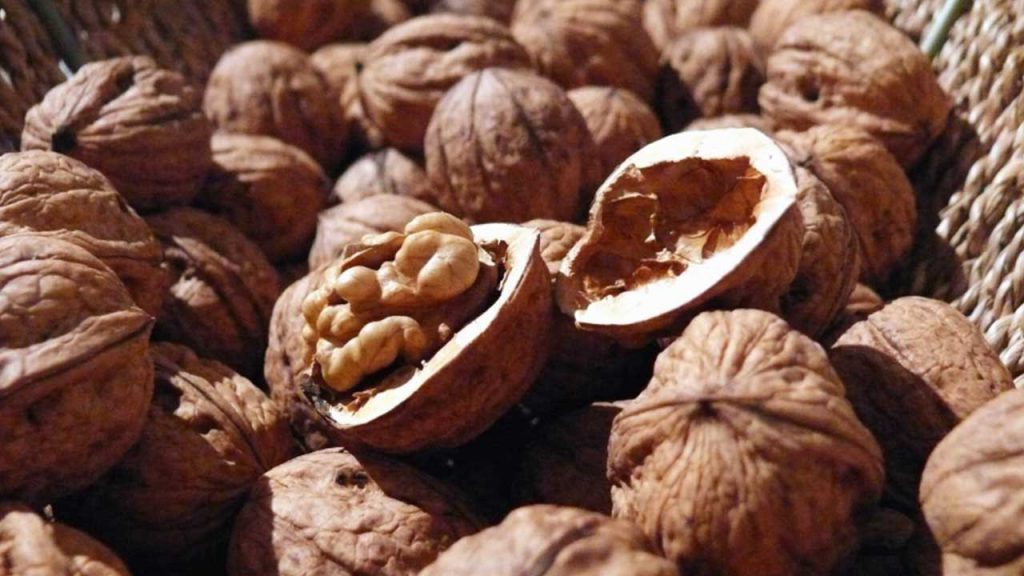
Introduction The tree nut industry worldwide is growing on the back of improved lifestyles and a desire to eat more healthily. South Africa has the climate and the ecology to become a recognised producer and value added processor of most nuts. The harvest time in the southern hemisphere is ideally suited too, just before the […]
Macadamia nuts
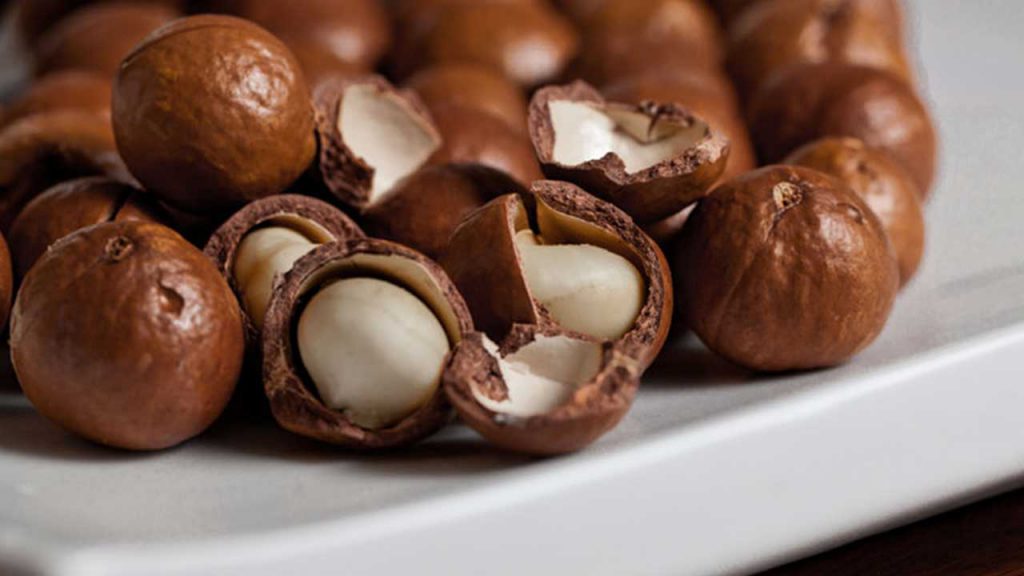
Macadamia nuts is an important crop in South Africa. It is an important earner of foreign revenue, has high growth potential while also being labour intensive.
Wood, pulp and paper

Introduction This page looks at what happens downstream of the plantations: sawmilling, furniture making, paper and pulp production etc. TIMBER PROCESSING Fibre Sawmilling Treated poles Charcoal Pulp milling Wood chip Fibre board From which come: (i) paper & paper products (ii) wood products Mining timber Sawn lumber From which come: (i) wood products (ii) wood […]
Forestry
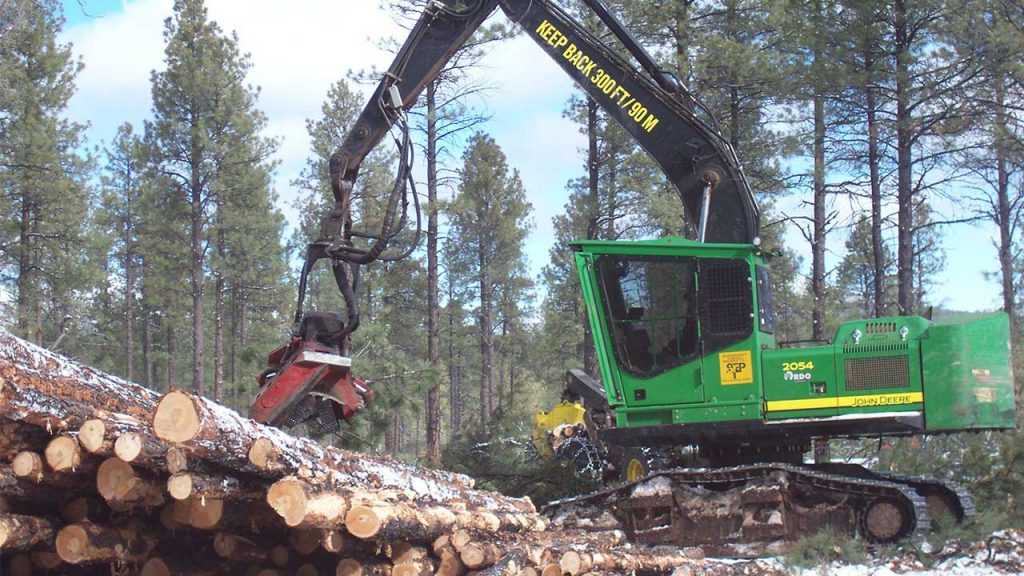
Introduction Forests include plantations, natural/indigenous forests and woodlands/savannas. All activities linked to these fall under the umbrella of “forestry”. In addition to timber and related products, forests offer non-timber products and activity. They play a big part in our fauna and flora. Fruits, plants, medicinal herbs, birds and animals are found here. Trees protect watersheds […]
Rooibos (redbush)

Introduction Rooibos, Aspalathus linearis, is a natural herb found in the Cape fynbos biome. It is cultivated commercially mainly in the Cedarberg region north west of Cape Town. The plant thrives on coarse sandy soil and winter rainfall. It is called rooibos (‘red bush’) or Red Tea because of its colour when dried. It has a […]
Moringa
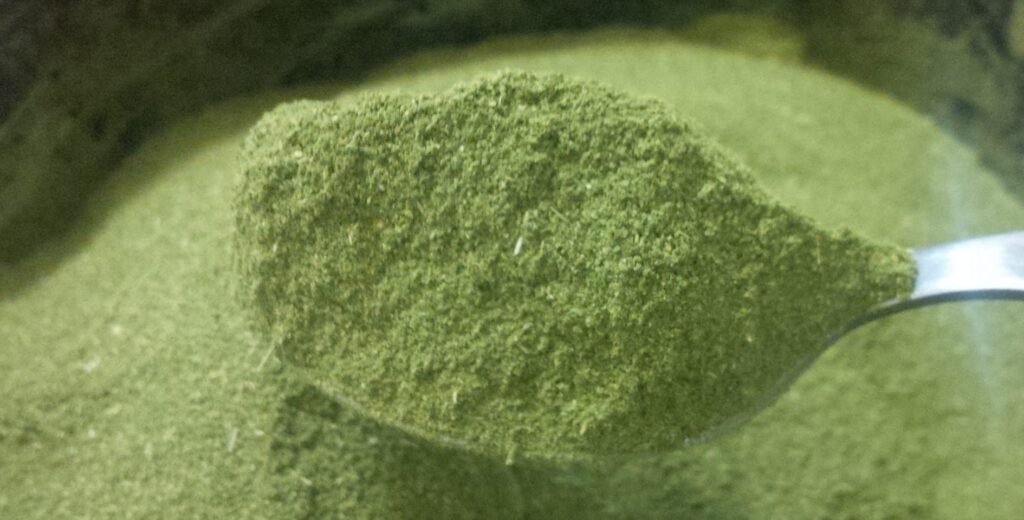
Introduction The moringa tree has its origins in the northern regions of India. In Africa, two types are grown, moringa oleifera and moringa stenopetala (Lekgau, undated). The moringa tree is considered one of the most nutritious trees in the world since it has vitamins, minerals and amino acids which the human body requires for health. The leaves can be […]
Indigenous medicinal plants
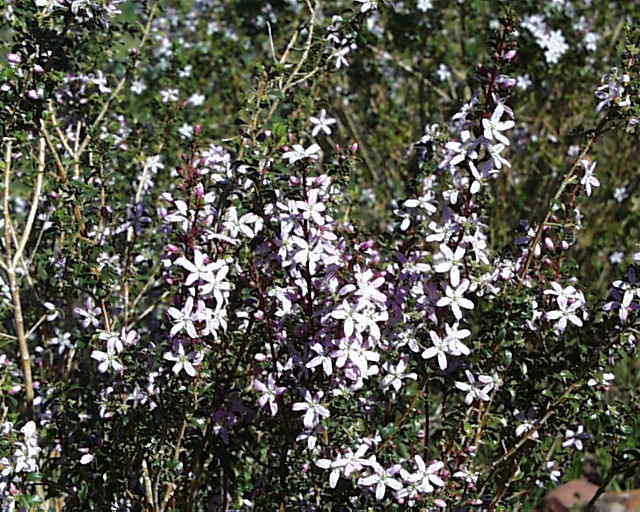
Introduction In the past [three] decades, the links between bio-cultural diversity and the richness of plant species in South Africa have contributed to ongoing attempts to develop traditional medicines for use in the modern complementary and alternative medicines sector. Eventually this will aid in the discovery of new drug entities for pharmaceutical industries. African traditional […]
Water and the three percent
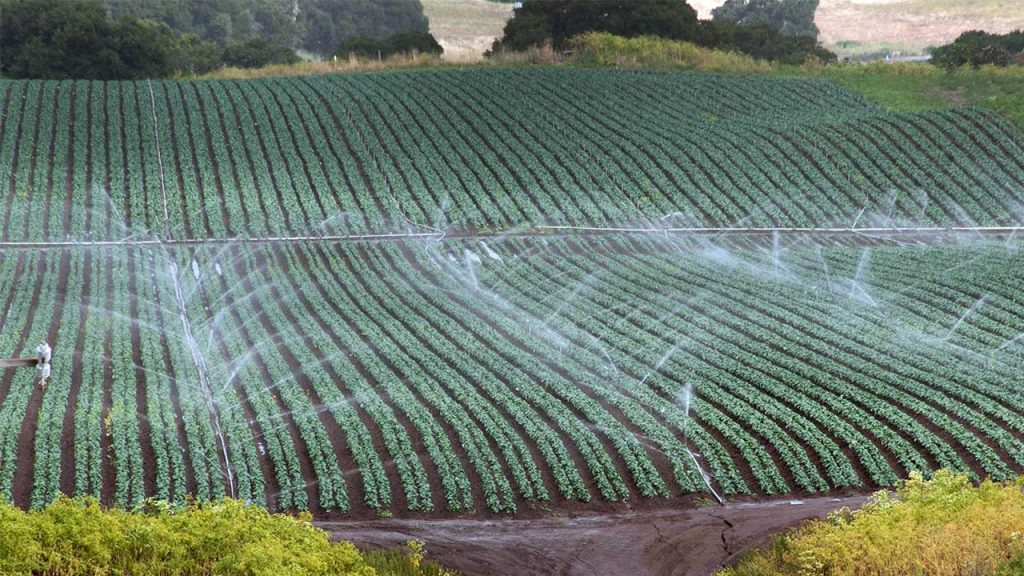
By Craig Macaskill Posted 2017-08-13 In Blog When I first heard, years ago, that the name of a piece of music was Water Music, I chuckled, and chuckled even louder when the friend earnestly asked: “Do you get it?” The name was whimsical, silly and the young man who was me did not “get it”. I […]