
Sunflower
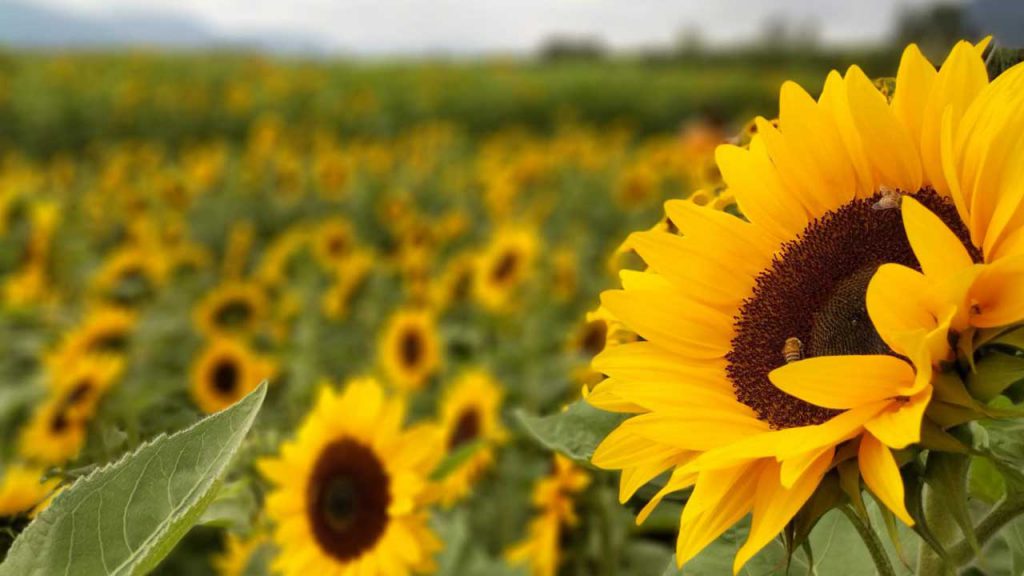
Introduction Sunflower seed is primarily used for manufacturing sunflower oil and oilcake (what is left after the oil has been extracted). After the hull is removed the seed can be consumed or used for different oil production. Most of the seed produced is marketed locally to expressers, animal feed and for seed. The greatest importance […]
Rustler’s Valley (part VII): nurseries and a healing centre
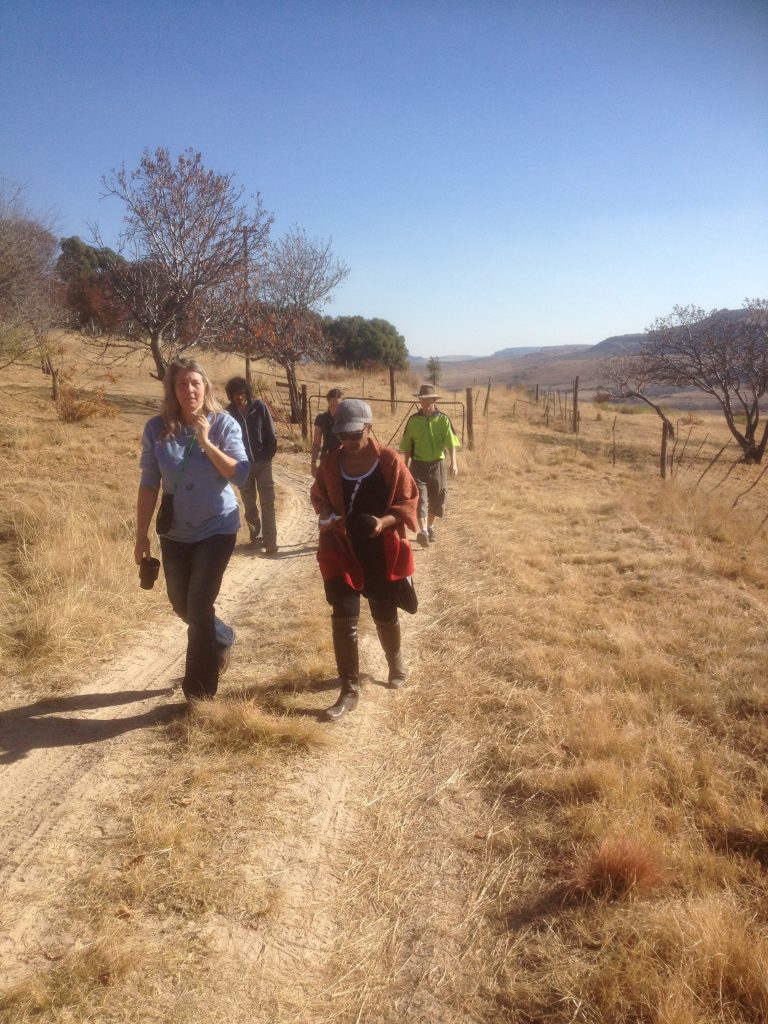
By Craig Macaskill Posted 2017-09-17 In Blog Generally Indigenous Knowledge Systems (IKS) has a low profile in the country, which makes the “Indigenous medicinal plants” chapter quite a task every time we update the Agri Handbook! Imagine our delight to find out that Byron Maclean and Soozi van der Linde are medicinal plants experts! Idealism without […]
Rustler’s Valley (Part IV): return to the lodge
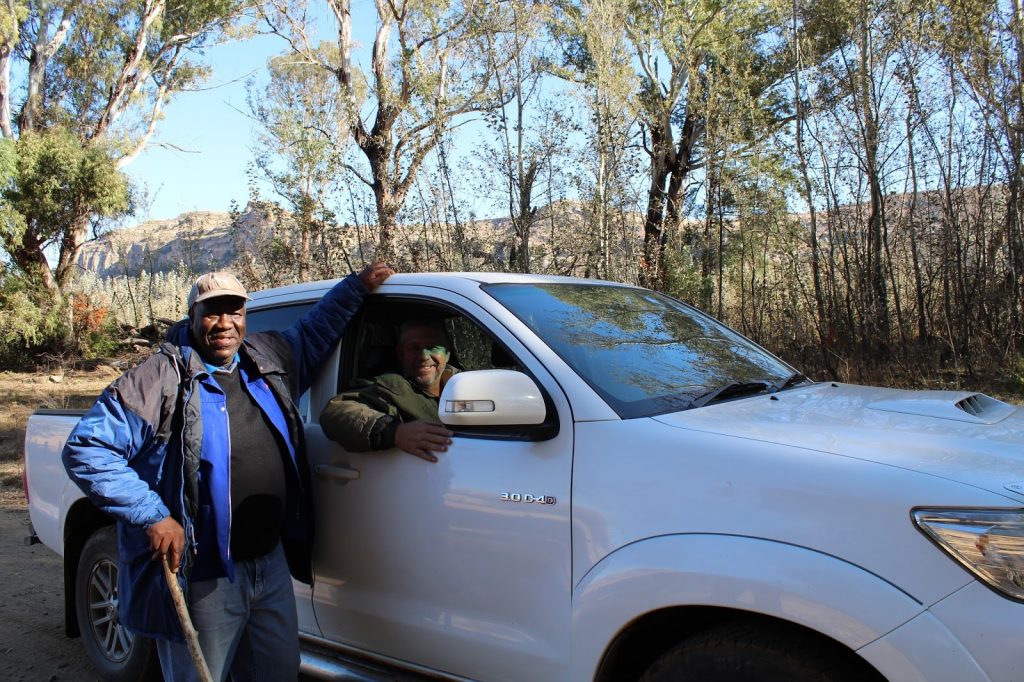
By Craig Macaskill Posted 2017-09-17 In Blog As we descended, we caught intermittent glimpses of a figure in the distance, probably making his way towards us. We smiled to see the person whose team had given us such a welcome on the previous evening – Jappie. After greetings all around, we set off, treading […]
Rustler’s Valley (part VIII): view from a neighbour
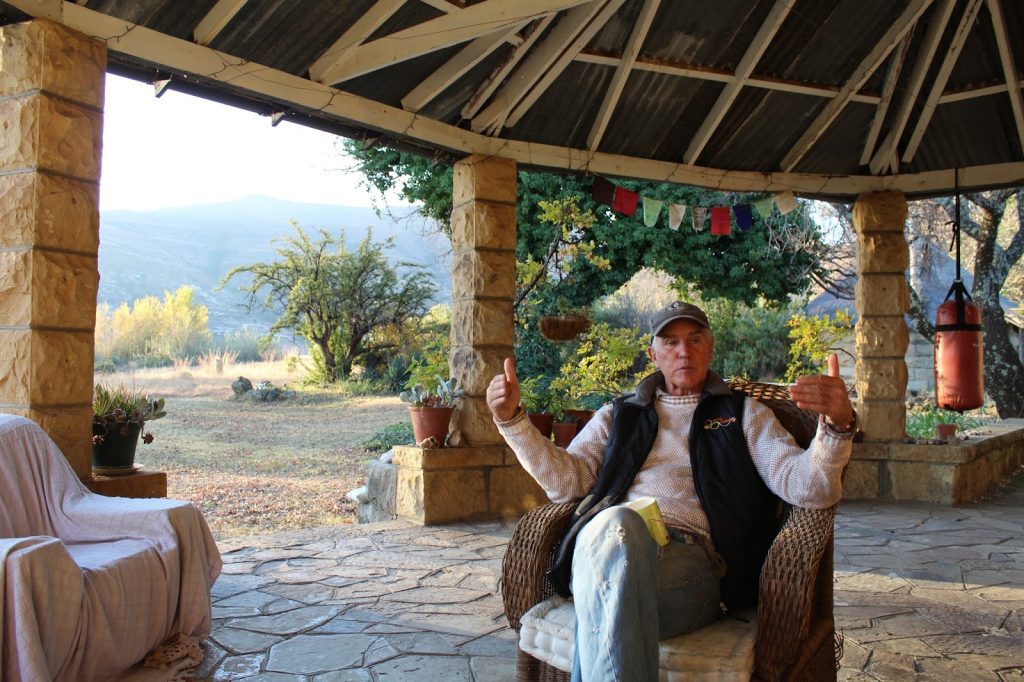
By Craig Macaskill Posted 2017-09-17 In Blog It was Gino’s idea that we meet a neighbouring commercial farmer or two; see what they had to say about developments at Rustler’s Valley. We had met Ray Strydom briefly the day before and so I jumped at the second name offered – Christian Findlay. The road […]
Rustler’s Valley (Part III): the hike
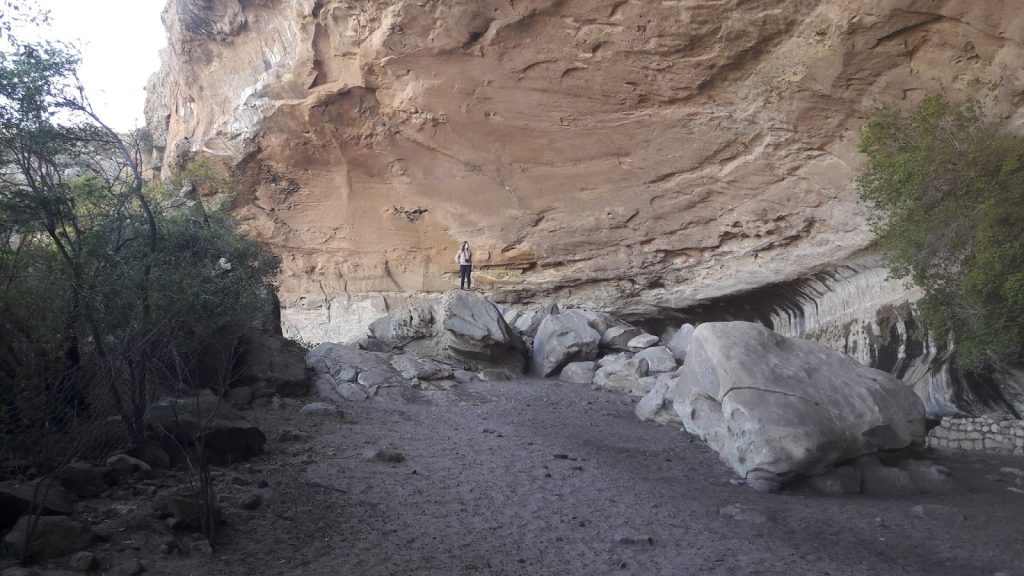
Add Your Heading Text Here By Craig Macaskill Posted 2017-09-17 In Blog The outlines of mountains were hinted at in the growing light of a new morning, and then there they stood, playful and confident, and with them the familiar scenery of the eastern Free State. We had been aware of the gathering mountains as we had edged […]
Rustler’s Valley (part VI): Naledi Village Farmers’ Co-operative
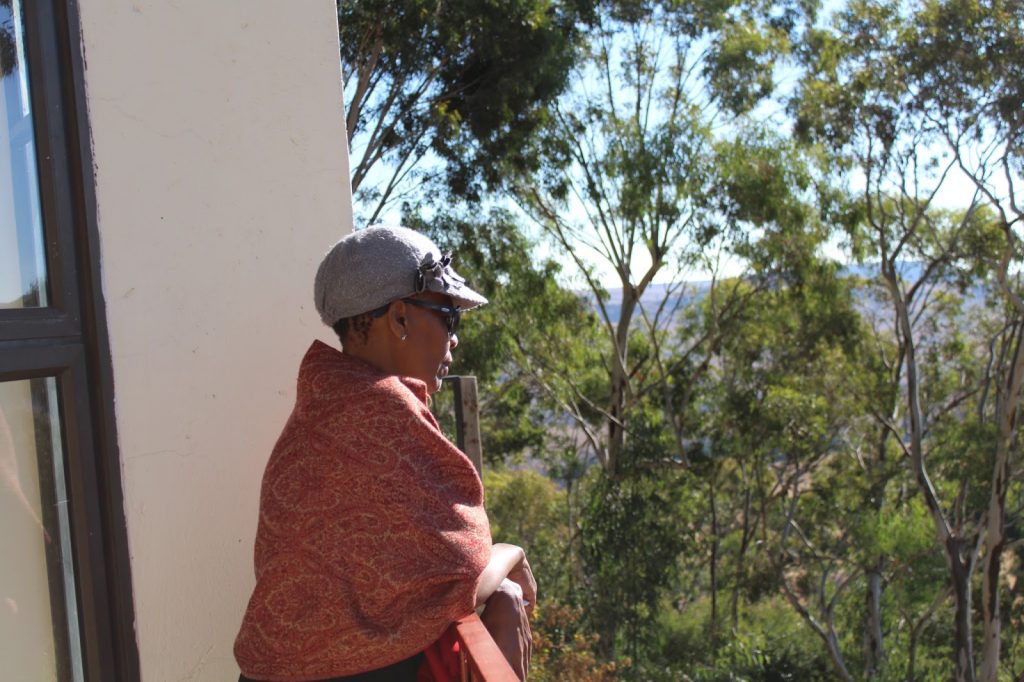
By Craig Macaskill Posted 2017-09-17 In Blog Jackie Zondo is clear on one point: “Everything you see is an initiative of the community”. The point is discussed in several places – how a community must be included in whatever has to do with them. In our Boreholes & windmills chapter, for example, a role player discussing water […]
Rustler’s Valley (part IX): Conversations
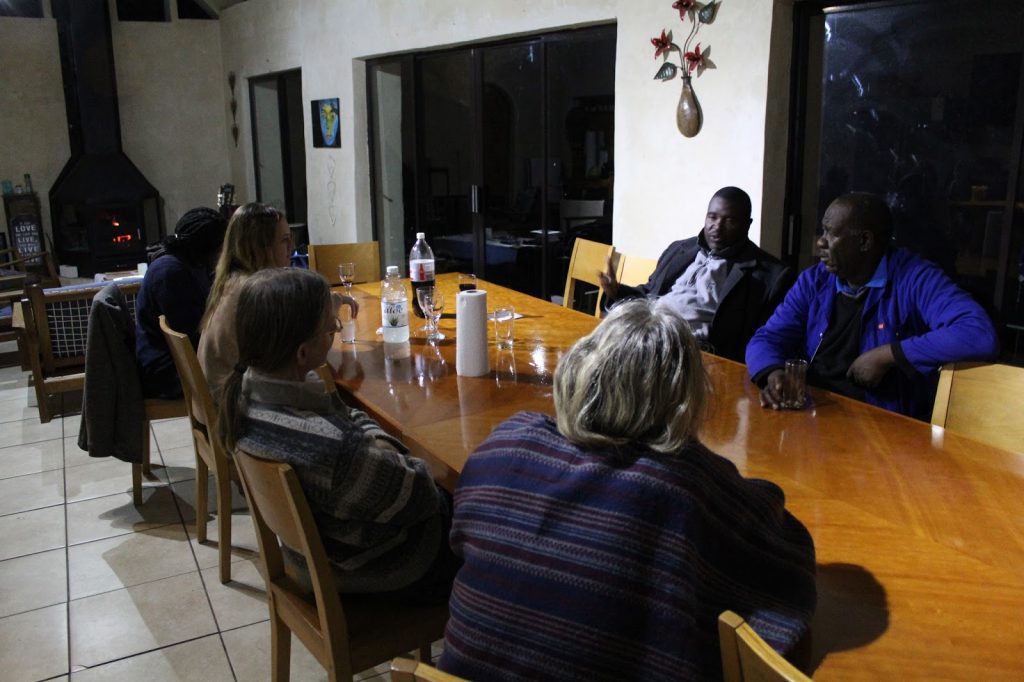
By Craig Macaskill Posted 2017-09-17 In Blog The facilities at EarthRise Mountain Lodge are comfortable, and conducive to conversation. Indeed, several happened during our stay. Every time we arrived at the reception, we were impressed by the warmth of those present, a warmth matched by the fireplace, a welcome attraction on cold days and cold […]
Rustler’s Valley (part V): the children
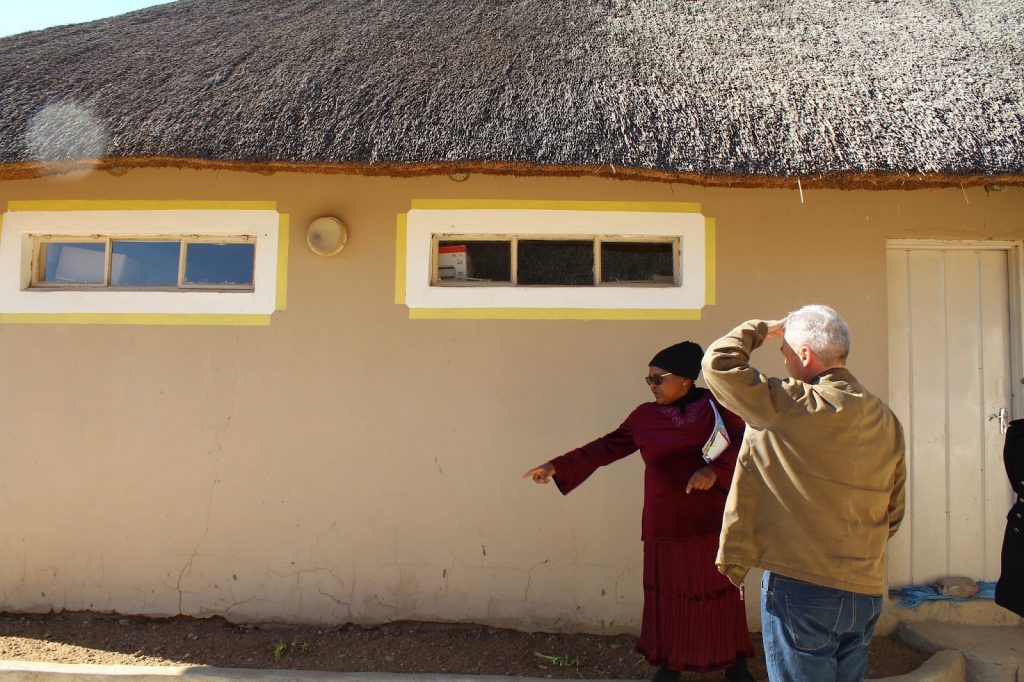
By Craig Macaskill Posted 2017-09-17 In Blog After breakfast, we set off on our tour to see what was happening at Rustler’s Valley, what the Naledi Village Farmers’ Co-operative were up to. It began with the crèche and, next door to it, the school. I smiled at the appropriateness: children are the foundation of any […]
Rustler’s Valley (conclusion): The Conversation
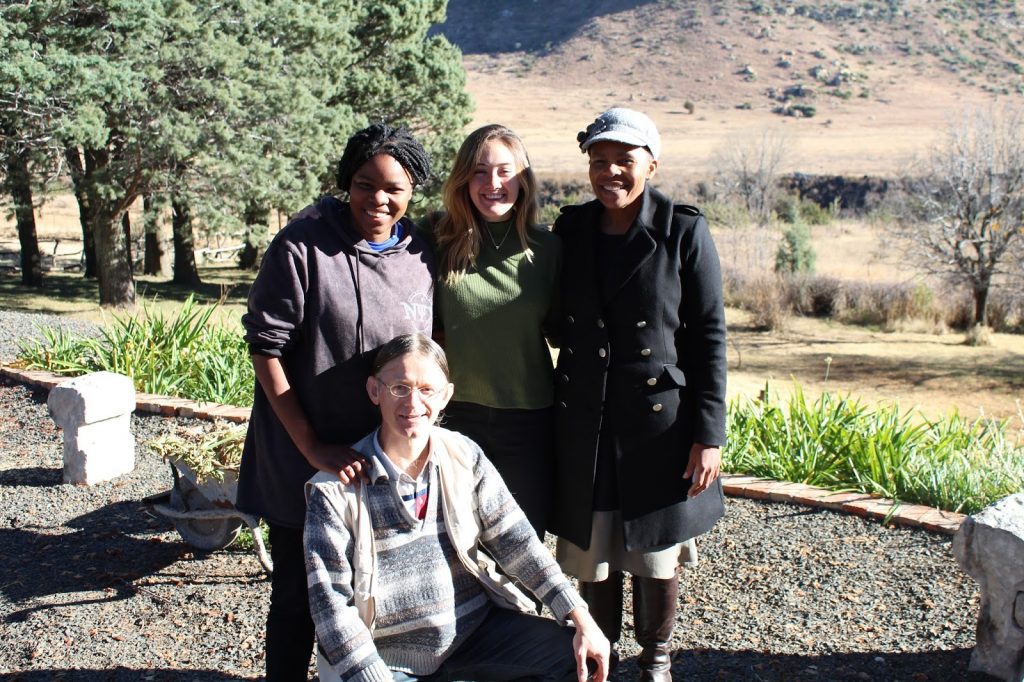
By Craig Macaskill Posted 2017-09-17 In Blog The steps taken by EarthRise Trust in purchasing Rustler’s Valley and setting in motion what has happened since is a conversation on its own. Co-operatives have long been punted by governments worldwide as the vehicle to get the wheels of development turning. Our chapter on co-operatives begins: “Co-operatives are not […]
The importance of feeding on rotting meat
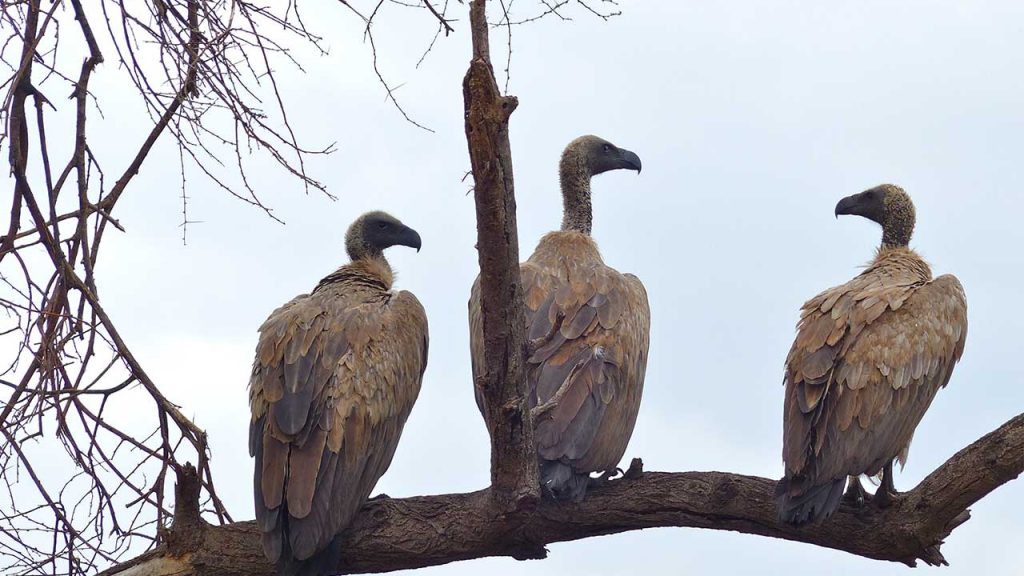
By Craig Macaskill Posted 2017-09-16 In Blog It is with great sadness that we read about 45 vultures being poisoned this week, ironically the week after International Vulture Awareness Day. That it happened in neighbouring Mozambique is immaterial. The sun shines, rivers run and vultures fly as they have for centuries: nature does not recognise the compromise […]