Issued by WinField United South Africa
Women’s Month reminds us of the power of women’s contributions. In agriculture too, women are making their voices heard from different vantage points – not only on farms, but in laboratories, boardrooms, research and technical roles where decisions are made that help shape the future of the industry.
Behind every successful harvest, new product or scientific breakthrough are people who take responsibility every day. Their expertise and perspectives are playing an increasingly important role in how agriculture moves forward. Accountability and ethical leadership are no longer secondary considerations in agriculture – they form the foundation on which the trust of growers, employees, partners and communities is built.
Above: Jandri Nienaber, the first Group Compliance Officer appointed by WinField United South Africa (WUSA).
The recent appointment of Jandri Nienaber as WinField United South Africa (WUSA)’s first Group Compliance Officer is one example of how women are increasingly taking on key roles in building credibility in the industry.
With more than 13 years’ experience in the financial and agricultural sectors, Nienaber describes her new role as being about more than simply complying with legislation. It is about taking responsibility, maintaining integrity and managing risks proactively.
“It is simply part of responsible business management,” says Nienaber. “We want to prevent risks before they become problems. When people know what is expected of them and receive the right support, it builds a culture of accountability throughout the organisation.”
More than 150 pieces of legislation apply to the organisation’s operations, in addition to industry standards, internal policies and local municipal requirements. The safety of employees, visitors, customers and surrounding communities therefore remains a top priority.
According to Jan Vermaak, Chief Executive Officer of WinField United South Africa (WUSA), the focus on accountability is an important part of the group’s culture. “For us, stewardship means making every decision in a way that strengthens the trust of growers, employees, partners and the next generation.”
Nienaber grew up on a farm in the Central Free State, where agriculture was simply part of everyday life.
“Today, we have many very successful women running large, established farms in South Africa. I take my hat off to every woman farming at ground level. But don’t think you necessarily have to farm yourself to be part of the industry. Agriculture has a place for lawyers, scientists, marketers, financial experts and many other professions.
“Over the past five to 10 years, I have genuinely experienced more women, and younger women too, taking up leadership positions in agriculture. The more women make themselves available for leadership and make their voices heard, the faster the image of the industry changes.”
Another significant recent appointment is that of Gabrielle Redelinghuys, who has been serving as WUSA’s Group Sustainability Manager since the beginning of August.
Redelinghuys brings a broad background in political and security risk analysis and management to agriculture. In recent years, she has increasingly applied this experience in the industry, including through her involvement in sustainability projects around integrated pest management, biological products and climate-smart agriculture.
“One of the biggest obstacles in South African agriculture is the under-representation of women,” says Redelinghuys. “Women are also often strong advocates for sustainability and can therefore influence strategies and business decisions to promote conservation, climate action and the overall wellbeing of the planet.”
Her message to women: “Agriculture needs you. If you have a passion for agriculture, embrace it. It will be one of the most rewarding sectors you could ever work in. Stand up, take your place and embrace it.”
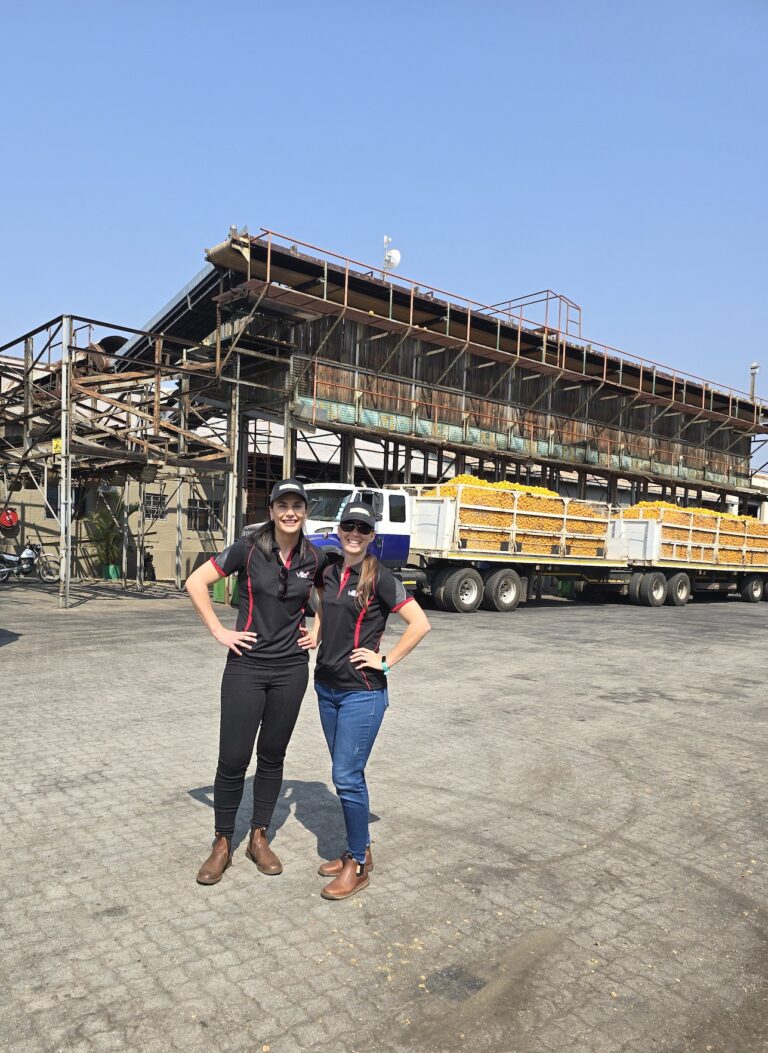
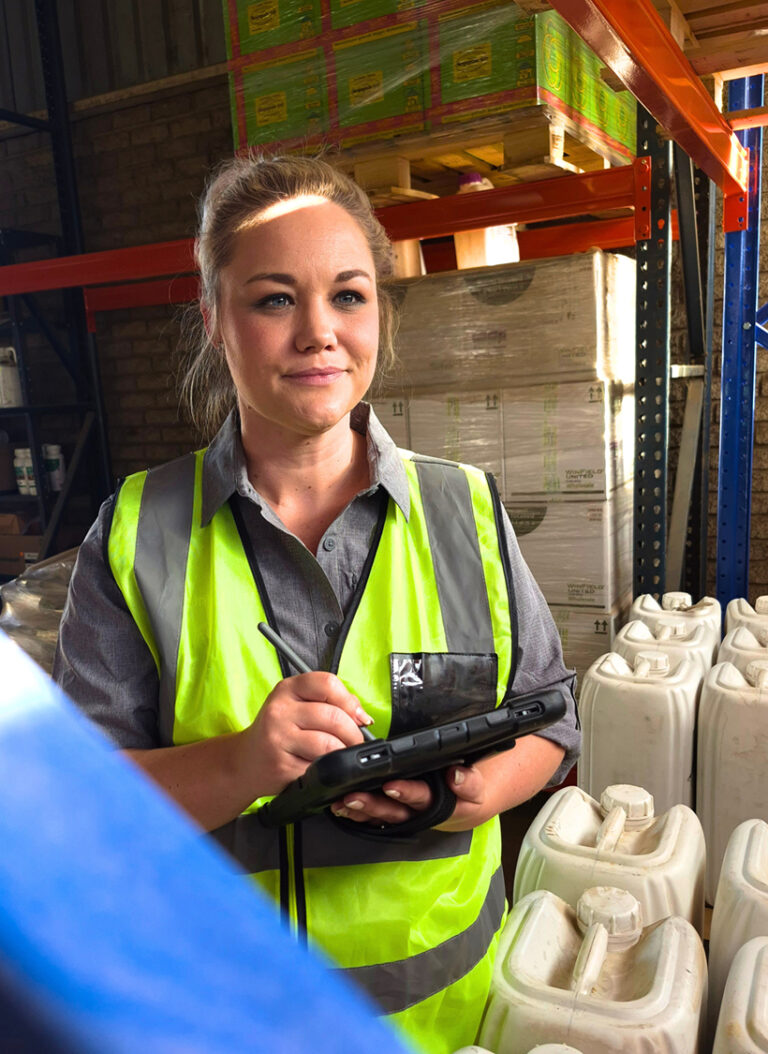
Above: Bianca Rabie (right), Regulatory and Development Manager at Villa Crop Protection, with Liselle Pretorius (left), Research, Development and Innovation (RDI) Lead: Biologicals at Villa Crop Protection, during a citrus warehouse visit in Nelspruit.
Bianca Rabie, Regulatory and Development Manager at Villa Crop Protection, has worked in the agricultural regulatory environment for more than a decade after entering the agricultural industry with an Honours degree in Chemistry.
Rabie and her team help take new products responsibly through the regulatory process before they reach growers. This process forms an important link between innovation and the market and ensures that products meet strict quality, safety and legislative requirements.
“We are very different people who have to be able to work together – from different departments within the company to our customers out there,” says Rabie. “I have learnt that confidence is one of the most important qualities you can develop as a young woman in agriculture. You simply have to believe in yourself and in the contribution you can make.”
She believes agriculture will offer even more career opportunities in future, particularly in research, biotechnology, precision agriculture, product development and data.
“The world is constantly changing, and the same applies to careers. Stay curious, keep doors open and be willing to learn new things.”
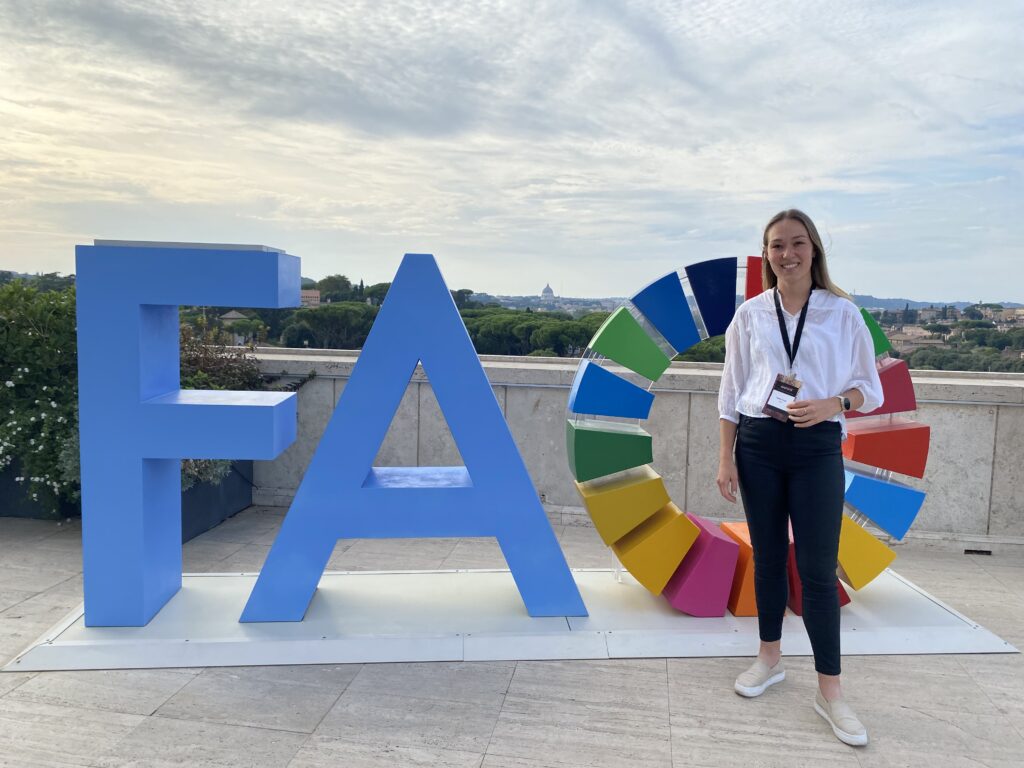
Above: Dr Karen Truter, Technical Marketing Specialist: Plant Nutrition at InteliGro.
Dr Karen Truter recently took up the role of Technical Marketing Specialist: Plant Nutrition at InteliGro, where she applies her experience in soil science, agronomy, plant nutrition and precision agriculture.
Earlier this year, Truter obtained her PhD in Agronomy from Stellenbosch University, focusing on data-driven solutions and on-farm experimentation for field crops.
“I deliberately chose to work directly with growers and in practice in an agricultural technical role,” says Truter. “But agriculture is so much more than farming. There are already women making a difference at every level of the value chain. They bring expertise, new perspectives and strong values to the industry. We need to tell more of those stories. I don’t believe there are too few women in agriculture, but that their contributions do not always receive the visibility they deserve.”
“I look forward to the day when women’s voices in agriculture are no longer remarkable, but simply part of agriculture. Agriculture is about expertise, perseverance and respect. Trust is not earned overnight, but built through relationships. The longer you are in the industry and the more people get to know your work, the less age or gender matters.”
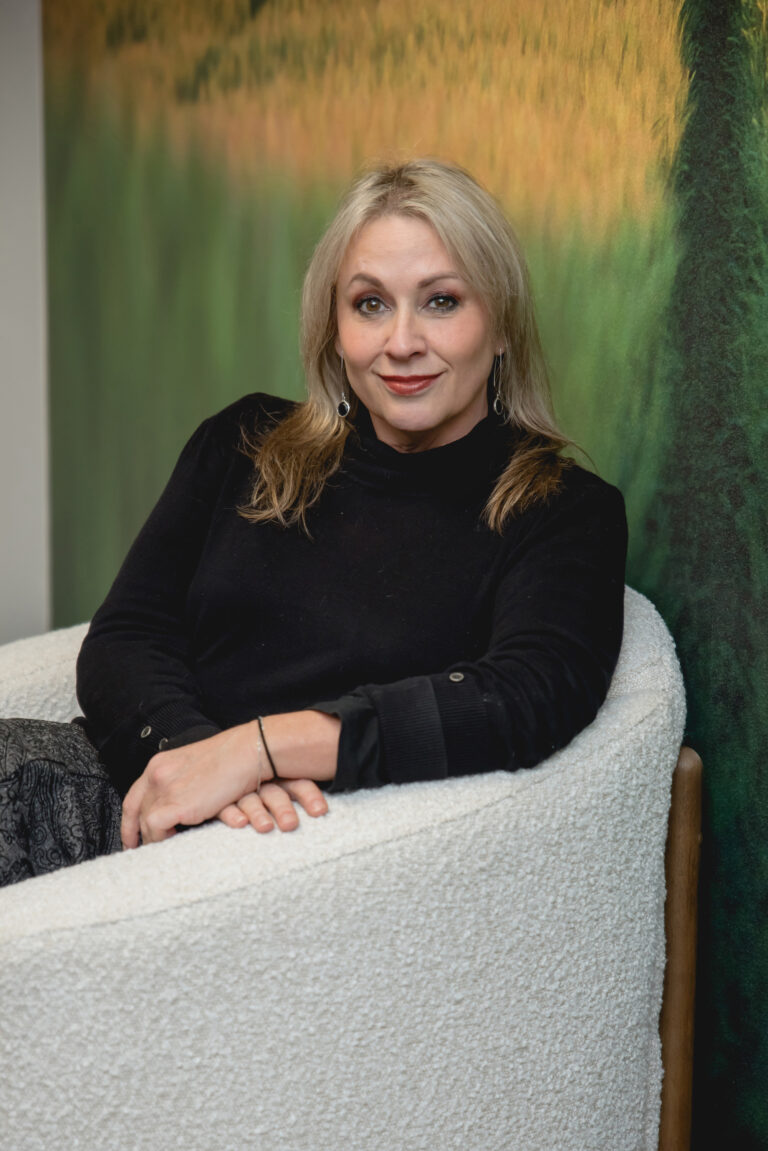
Above: Louise Duminy, Group Brand Manager at WinField United South Africa (WUSA)
Louise Duminy, WUSA’s Group Brand Manager, says she is privileged to have been involved with the group since WUSA was established, and that she had already been on the journey with InteliGro since 2006.
In her role, Duminy helps connect the group’s brands, knowledge and value proposition with growers, partners and other stakeholders in a meaningful way. Through strategic communication and brand building, she contributes to the credibility, visibility and relationships of trust on which long-term success in agriculture depends.
“Agricultural people are truly the nicest people – close to the earth, genuine, innovators and go-getters,” says Duminy. “It is special to be part of an industry that brings real daily value to every household, because food security is not just an agricultural issue; it is the foundation of a healthy, stable and prosperous society.”
“Our contributions look different – from compliance and sustainability to regulation, plant nutrition and brand building – but each one brings knowledge and a different perspective to the industry. Together, this helps build a stronger industry.”
She challenges all women to get involved in agriculture: “There are so many opportunities in crop production – from seed and soil health to plant nutrition, crop protection, support and technology that helps farmers in the field. The industry needs our expertise. If you are interested in agriculture, do it!”
As the stories of Nienaber, Redelinghuys, Rabie, Truter and Duminy show, agriculture certainly does not only need more women; it needs their voices, expertise, confidence and unique perspectives. It is people like them who help earn the trust on which the future of agriculture depends.