
Used oil on South African farms can pollute the environment
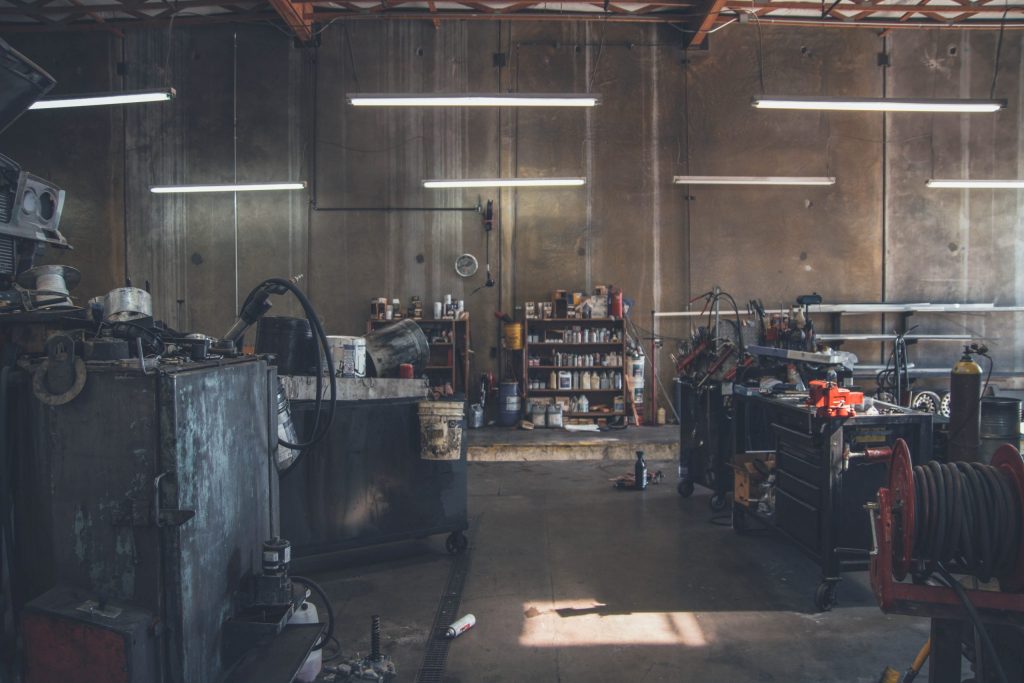
Commercial farming relies heavily on technology and mechanisation – which in turn relies on the use of motor lubricant oils. It is estimated that South Africa generates an average of 120 million litres of used lubricant oil in a year with about 10 million litres of this being generated by the Agricultural sector.
Pollen alert: highly allergenic Ragweed invades South Africa
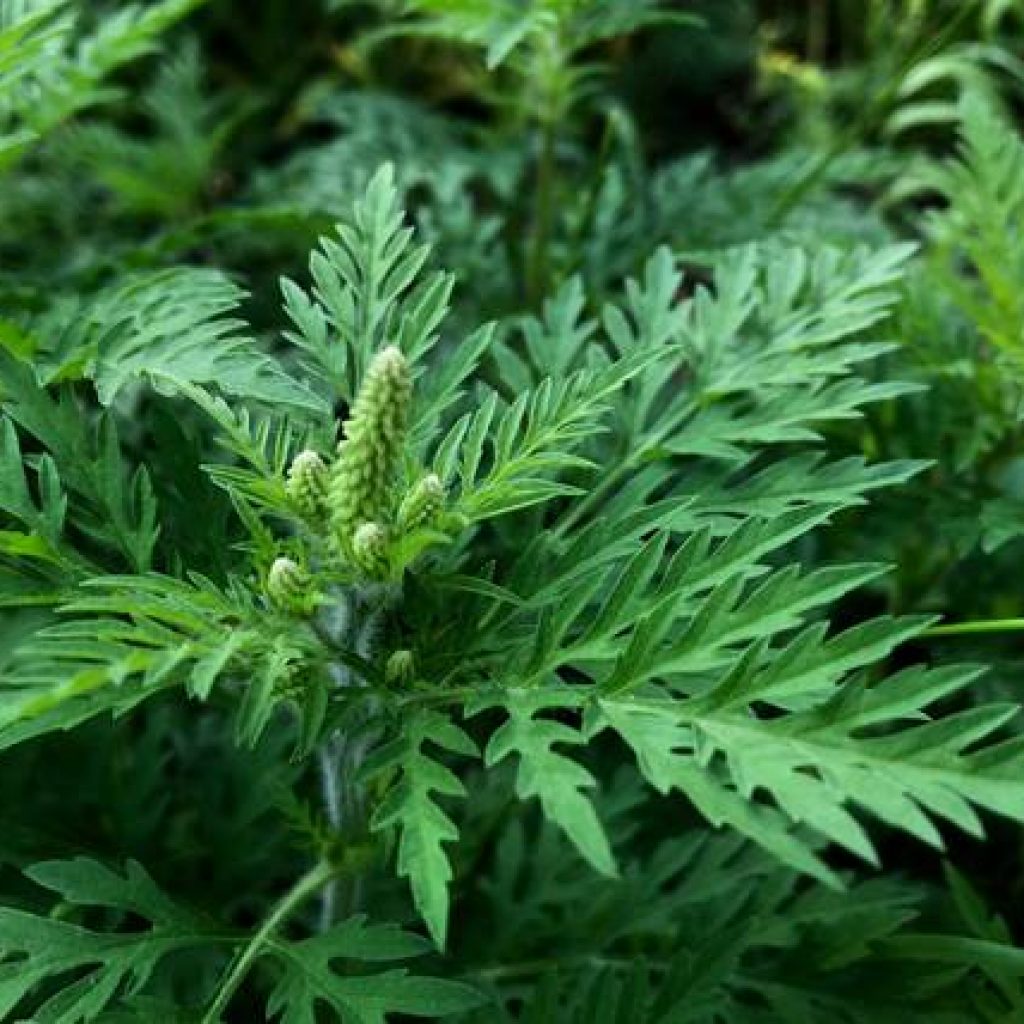
Ragweed pollen – a highly allergenic weed native to North America – was detected in South African pollen spore traps for the very first time. Eradicating this invasive weed is critical as its fine pollen is highly allergenic and it also poses a threat to crop health
Outsourcing builds a resilient operation
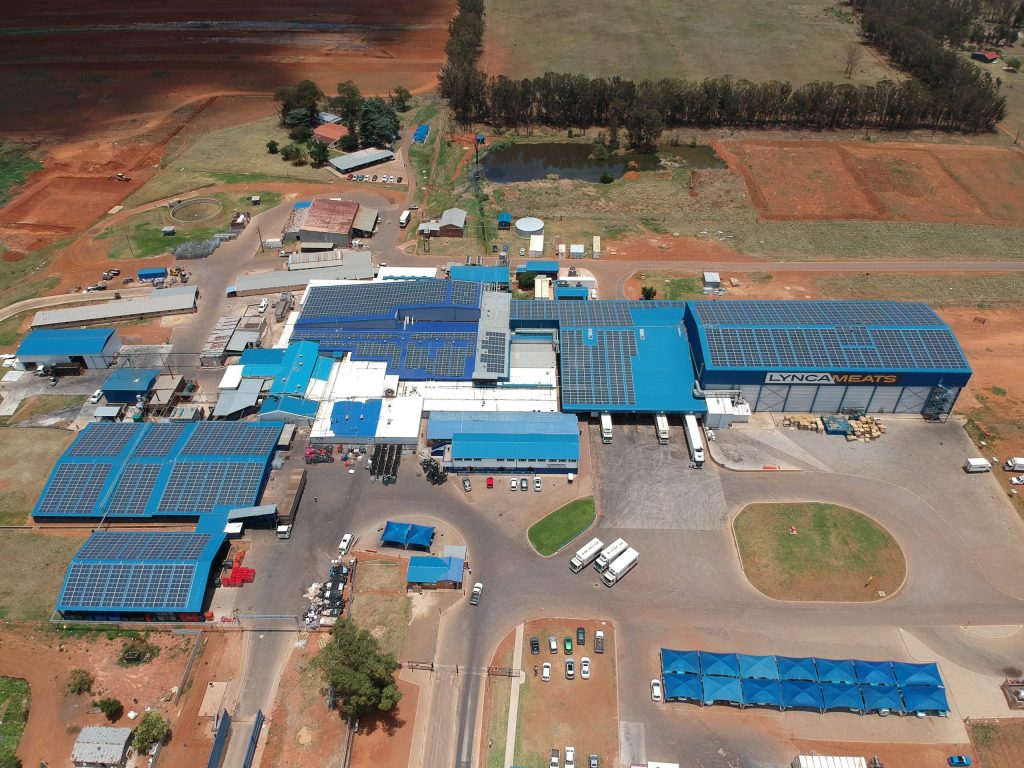
Abattoirs rank among the most utility-heavy operations in the agricultural industry, with electricity, water, cooling and heat being in high demand throughout the year to keep these facilities running. The sprawling operation belonging to Meyerton-based pork products supplier, Lynca Meats, is a notable case in point, where finding the most effective means of containing operational costs remains a top priority.
Opportunities in the South African market: A view for U.S. agro-food exporters

The USDA GAINS (Global Agricultural Information Network) report this week included an Exporter Guide with its overview of the South African market, and naturally curious, we opened it.
Four steps to weatherproofing your livestock farm
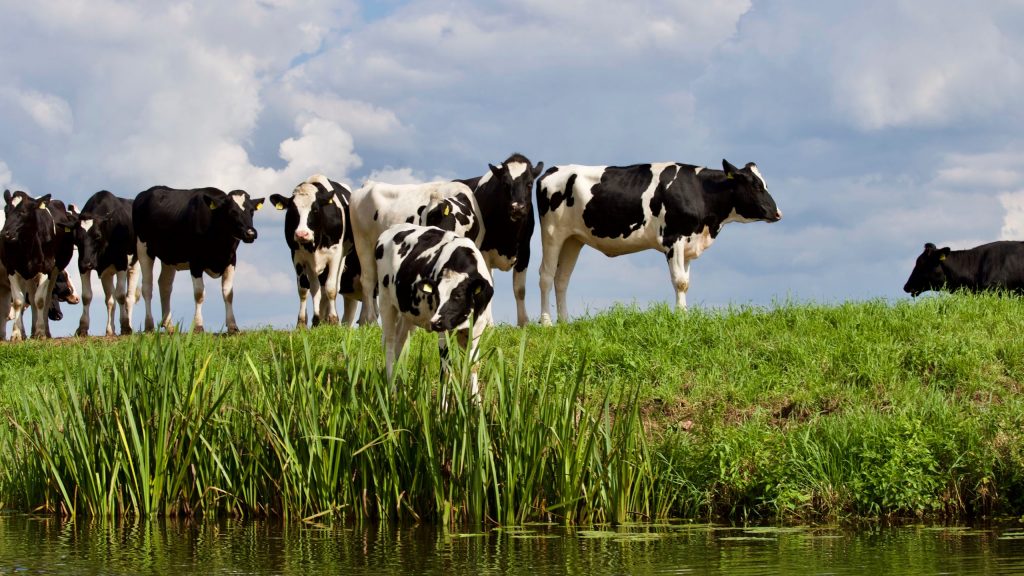
As an Eagles music fan, I knew the surname Meisner (Randy Meisner, the bass guitarist, was a favourite!) When our team met livestock scientist Dr Heinz Meissner at the Agricultural Research Council (ARC)’s Irene campus years ago, it was a name I would remember.
A Community owning its water

Rain has been falling across the country this month (there is nothing better than falling asleep to this sound!) The heart responds with gratitude but also with concern when remembering places in the country where it hasn’t rained for more than four years.
Water-stressed South Africa needs action
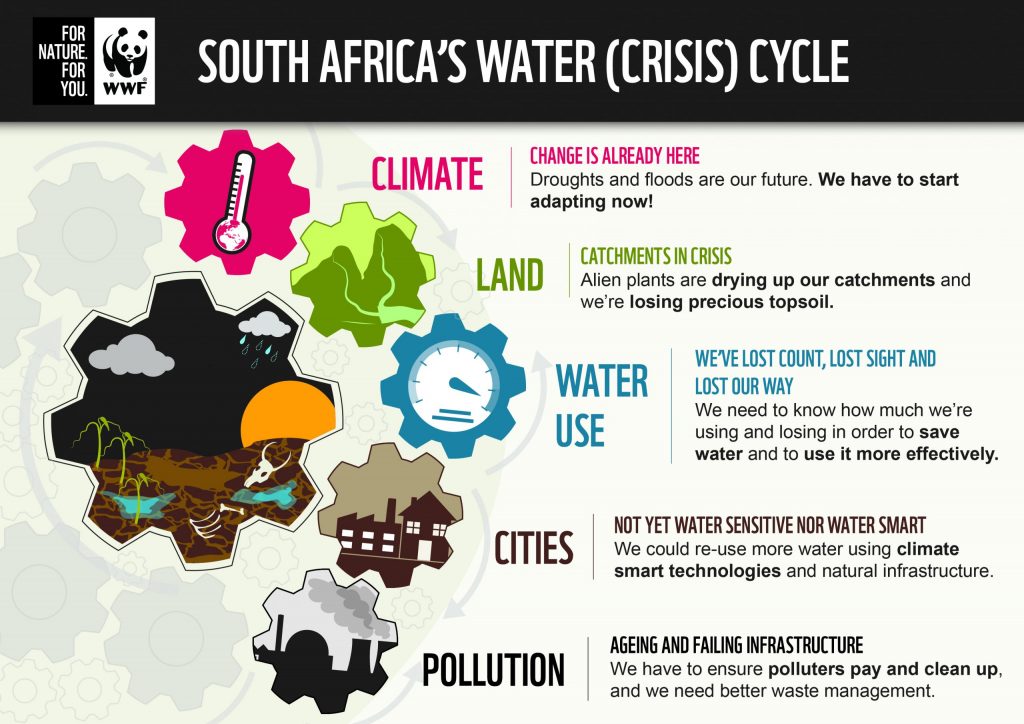
WWF welcomes the formal launch of the National Water and Sanitation Master Plan by Human Settlements, Sanitation and Water Minister Lindiwe Sisulu in Pretoria today as an important step towards more urgent action in the water sector.
De-risking agriculture, the financiers speak: Roundtable at Omnia House (2)
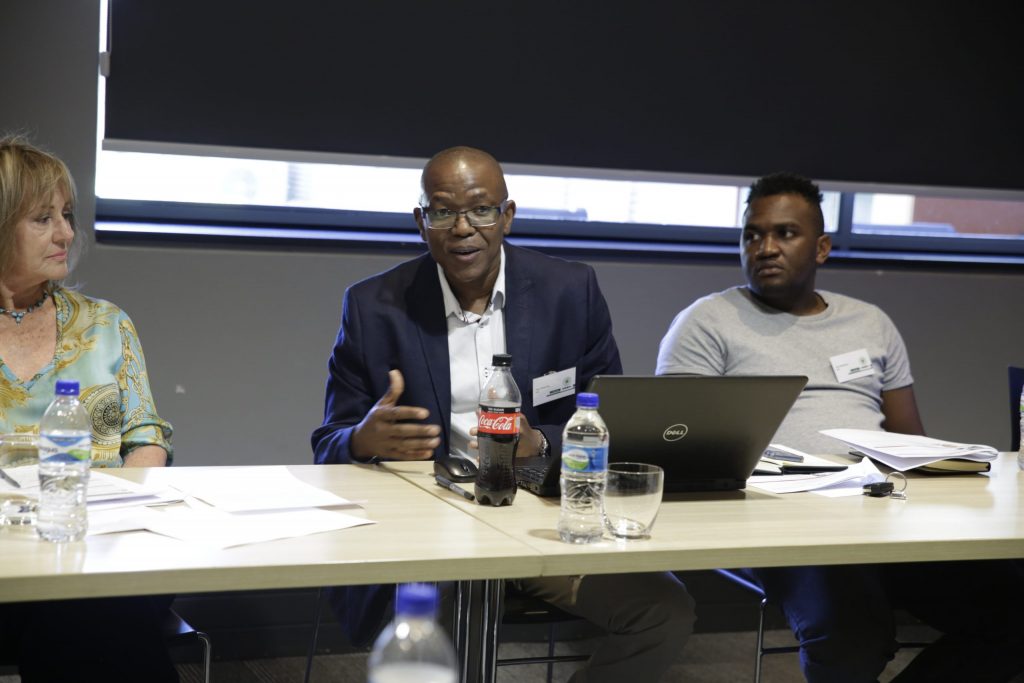
The agronomists had spoken. The financiers were next.
De-risking agriculture, the agronomists speak: Roundtable at Omnia House (1)
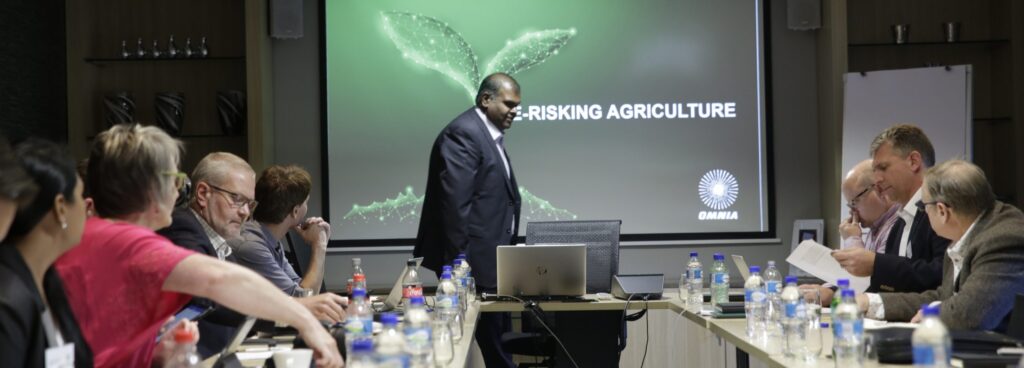
“This week is a better week to meet than last week”. Rain had fallen in several parts of the country, and it was a worthy reminder of how dependent South Africa’s agricultural value chain is on water.
Macadamias vital to development in emerging market
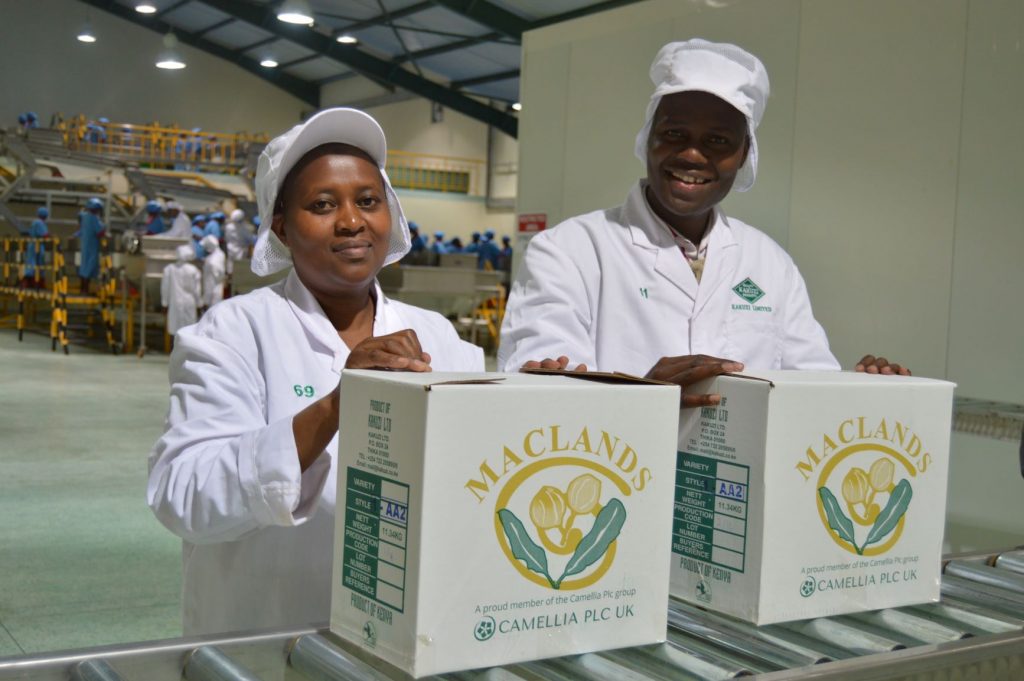
Married with the global trend to plant-based eating (for health, ethical and sustainability reasons), the high protein monounsaturated (good fat) macadamia is an industry whose time has come.