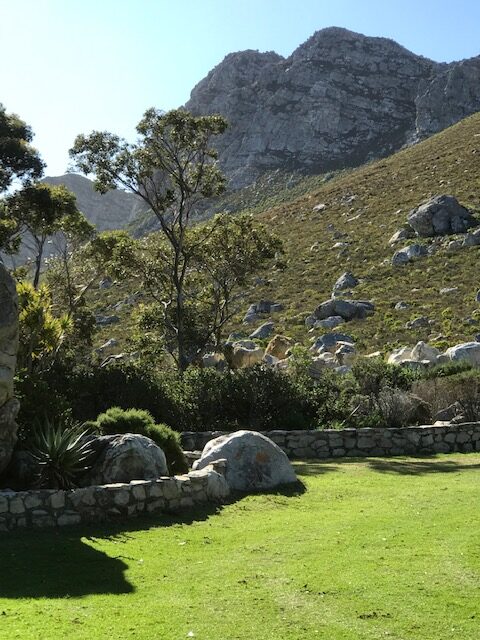
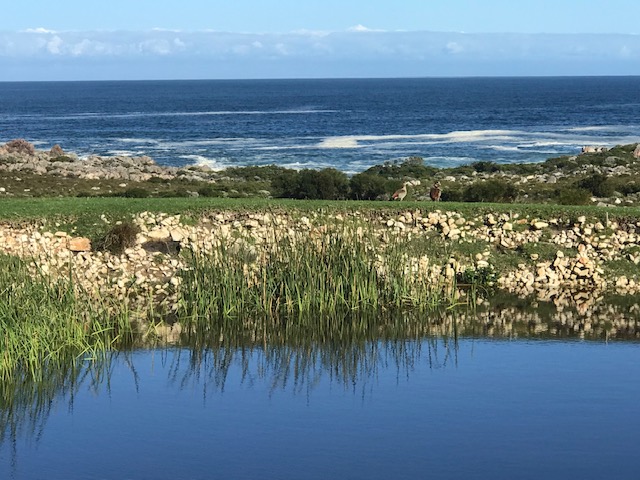
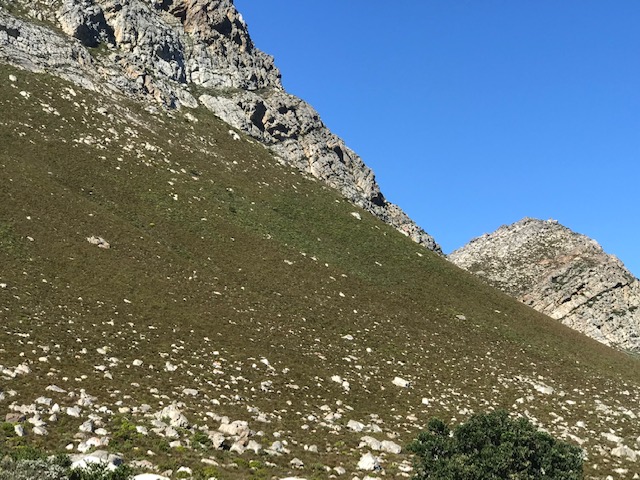
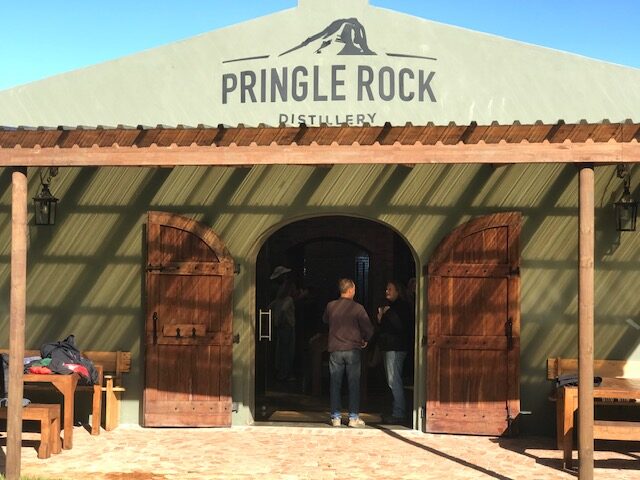

Pringle’s Rock Distillery is boarded by the sea on one side and the mountains on the other, the Atlantic Ocean and the Hangklip mountain range.
I stood looking up at the mountains.
Behind them lay the patchwork of properties under (mostly) private ownership which WWF-SA and Cape Nature have encouraged (and assisted) to be part of the Rooiels Corridor. Further inland lay the Protected Area of the Kogelberg Biosphere. Cape Nature manages the core of this biosphere – the Kogelberg Nature Reserve and Stony Point Nature Reserve. The victory has been in getting everyone else’s buy-in.
Some land has been bought but mostly it is collaboration with landowners that does the trick.
Our trip had been to see how the Kogelberg buffer zone (specifically the Rooiels Corridor) connected catchment to coast.
The farm on which we were standing is part of the Rooiels Corridor, and I was interested to see how an agro-processing venture would work here.
The whole operation at Pringle Rock Distillery is off-grid. It is solar powered and the water is sourced from a well on the property. Waste is converted to compost. Everything is designed to have zero impact on the environment.
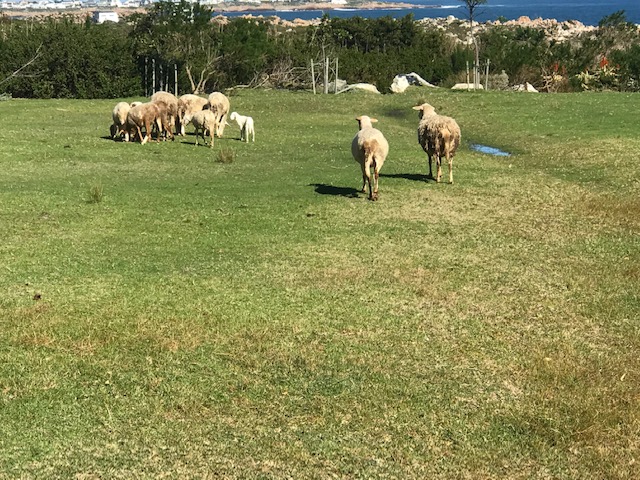
A previous 14-horse stables was repurposed for the distillery. The grass around the buildings is kept short by Dorper sheep.
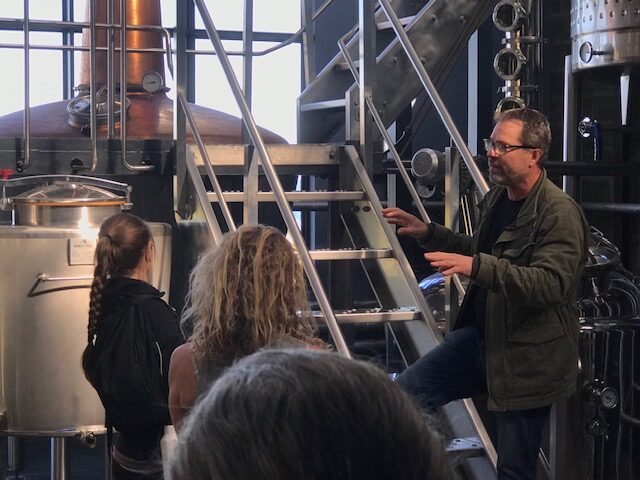
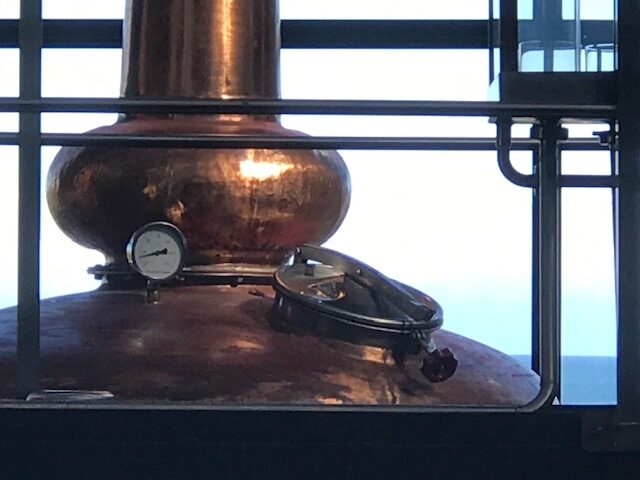
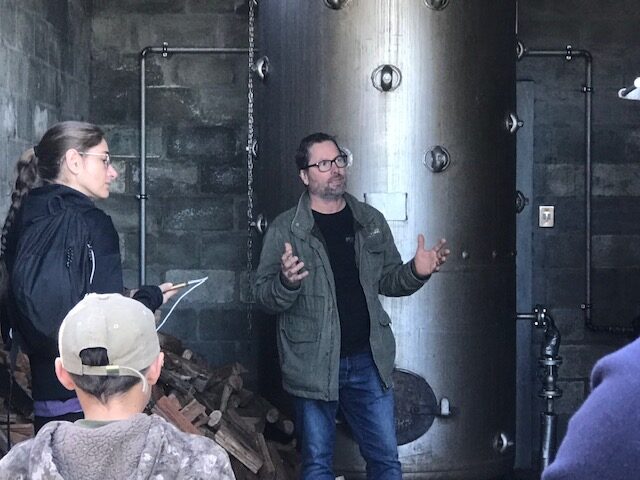
We were introduced to Leigh Elves, and once inside the distillery, to his hand crafted copper stills – Victor, Josephine and Gerry K.
After growing up around boilers, processing plants and the like, Elves pursued a career in engineering (the whisky and gin equipment on site here were designed and manufactured by Elves and his son). A business trip to Scotland led to his interest in whisky and gin, and after some successful experimenting he sold his engineering business.
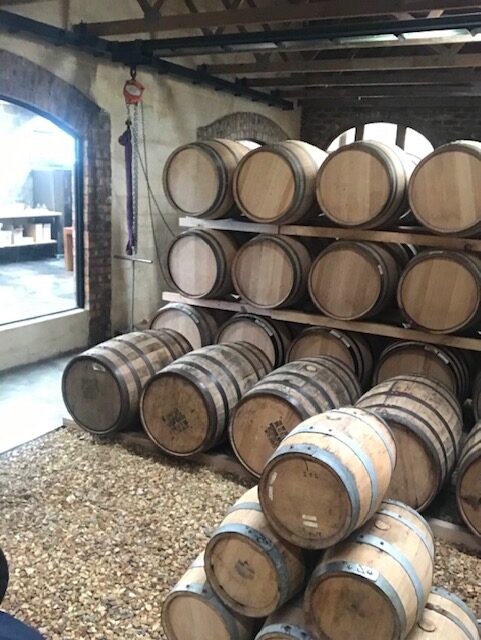
Each of the stills contributes to creating spirit after which it is matured in the French and American oak barrels, sourced locally from wine country.
Whisky takes longer to mature (there is a waiting list for orders); gin is more immediate and allows greater creativity and experimentation. Separate ginning is required in order to prevent any mixing of flavours and fragrances.
Ingredients like botanicals and grain are sourced locally if not grown on the farm.
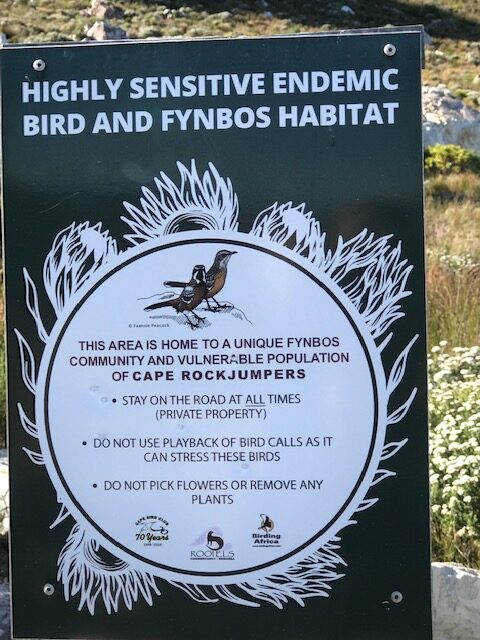
If you are not familiar with the local fauna and someone says excitedly: “There’s a Rockjumper!” you could be forgiven for looking around wildly, trying to locate some species of rabbit or buck. The Cape Rockjumper is actually a bird endemic to this area which, well, jumps around the rocks, hardly ever flying.
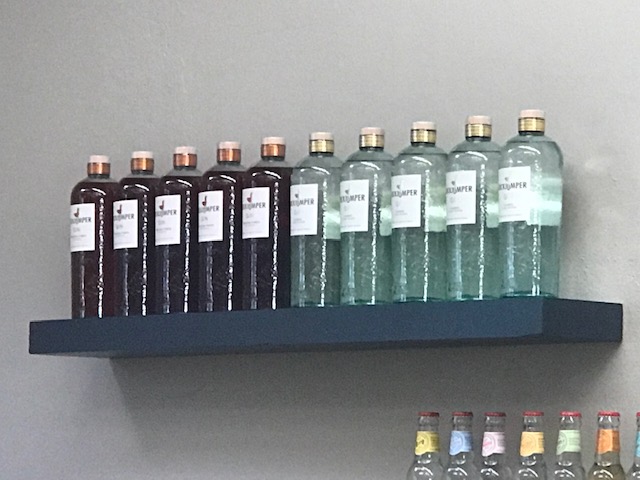
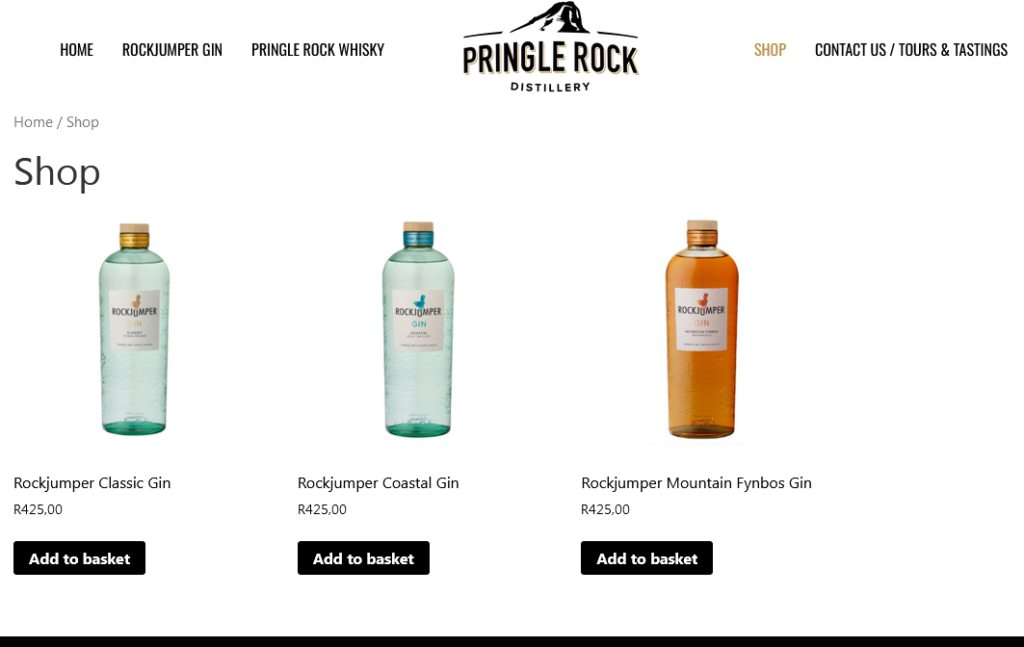
As a tribute to the birds the Elves name their gin after them, and the online store gives you a choice of “Rockjumper Classic Gin”, “Rockjumper Coastal Gin” and “Rockjumper Mountain Fynbos Gin.”
Above: A screenshot from the online store on the Pringle Rock Distillery website, https://pringlerock.com/shop.
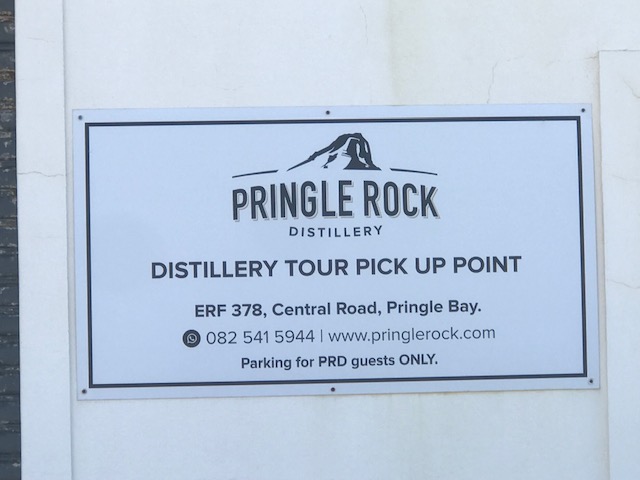
In addition to gin and (soon) whisky products, another revenue stream is tourism. People book online, meet in the town itself and are brought here by the Pringle Rock Distillery shuttle.
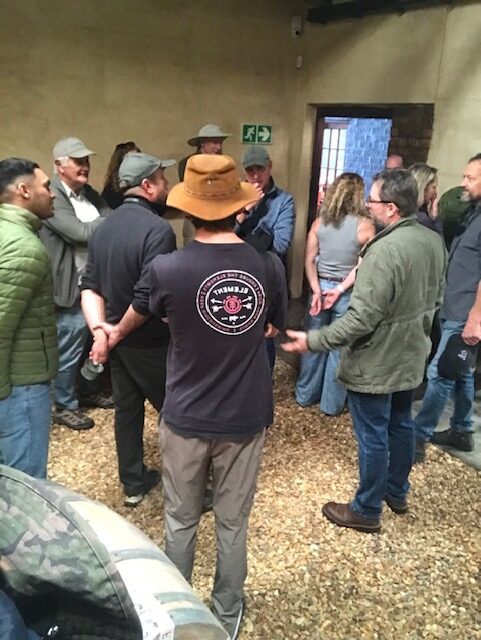
Our tour was coming to an end and we prepared for the last of the stewardship talks and a light lunch.