Press release
South African agriculture is increasingly exposed to foreign exchange (FX) movements as the sector’s international trade footprint grows.
According to AgriSA’s Agriculture Annual Trade Report, agricultural exports reached R266.3 billion in 2025, contributing to a record trade surplus of R124.7 billion. The sector generated approximately R341 million in net FX every day, surpassing the combined daily FX earnings of the gold and platinum mining sectors.

Currency risk runs through the production cycle
For commercial farmers, greater international exposure also brings greater sensitivity to currency movements. FX risk can run through the production cycle, from imported inputs and equipment to export receipts received months later.
“FX risk in agriculture is not simply about the rate on the day a transaction takes place. It is about understanding how currency movements interact with the production calendar, procurement cycle, harvest and timing of cash flows,” says Bianca Botes, Managing Director of Citadel Global and a FX and currency expert.

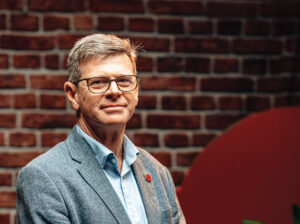
Above: Bianca Botes, Managing Director at Citadel Global
Fertiliser, chemicals, seed, fuel and capital equipment may be priced in foreign currency and paid for well before a crop is sold. Export proceeds, meanwhile, may depend on volumes and quality that are not yet certain.
“A confirmed fertiliser order is very different from an estimated export crop that has not yet been harvested or graded. The certainty around that cash flow should influence how much is hedged and which instrument is appropriate. Our team of experts has experience in assessing these exposures and structuring an approach around the farmer’s timing, risk appetite and business objectives,” Botes explains.
“We take a portfolio approach to currency risk, combining spot transactions, forward exchange contracts and options to balance certainty, flexibility and participation. Rather than locking in an entire exposure at one point, exposures can be hedged progressively as greater certainty develops around production, sales and procurement,” she elaborates.
“The aim is not to predict where the rand will be at harvest time,” says Botes. “It is to understand what level of currency risk the business can absorb and protect margins and cash flow accordingly.”
From market timing to structured currency management
Farmers should also consider where exposures may be managed more efficiently within the structure of their existing foreign currency accounts. “If a producer receives euros from export sales but also has euro-denominated input costs, there may be an opportunity to match those flows more deliberately rather than converting currency unnecessarily,” Botes notes. “This is where inter- Customer Foreign Currency (CFC) account hedging can add real value. By assessing the timing, currency and certainty of each cash flow, we can help structure how currencies are retained, crossed or hedged within CFC accounts, while still applying the right instruments where a natural offset is not enough.”
Another important principle is measuring outcomes against the farm’s budget assumptions rather than the best exchange rate seen during the year.
“The budget rate is the rate against which the season was planned,” Botes says. “If the market moves favourably relative to that rate, it may make sense to increase certainty on known or highly probable exposures. The objective is risk management, not trying to pick the top or bottom of the currency market.”
A formal FX policy can strengthen this approach by defining exposure categories, hedge ratios, approved instruments and who may authorise transactions, helping ensure currency risk is managed consistently.
“Currency volatility cannot be removed from farming,” Botes concludes. “But it can be managed in a more structured way, giving commercial farmers greater certainty around input costs, export receipts and ultimately the margins on which their businesses depend.”
Photo by Alexander Grey on Unsplash