Written by PJ, from VELD FIRST, KAROO DIREK, DIE VEEPOS and KAROO-KALAHARI VEEVOER & LOGISTIEK
Owning or managing a profitable livestock farm is difficult because it demands constant physical labour, unpredictable biological risks, and thin profit margins that leave little room for error.
Key Challenges
- High capital and start-up costs including infrastructure: upfront capital requirements are relatively high. Land, livestock, heavy machinery, feed, secure fencing, storage and workshop facilities, roads, water systems etc. carry a high costs to purchase, build and maintain.
- High levels of daily operating cash: feed, supplements, medicines, licks etc. make up the largest part of daily expenses, and prices change based on weather, currency exchange rates, and broader market dynamics. Market prices for meat, milk, or wool fluctuate, but farm operating costs, for example labour and energy remain high and are increasing. This results in very thin profit margins.
- Income intervals: it takes months or years to raise animals to a selling age, meaning cash flow is slow. Farmers need to act as their own banks, into debt.
- Constant labour demand: animals need care every single day of the year, including weekends and holidays, which leads to physical and mental burnout.
- Unpredictable weather: droughts, floods, and extreme heat can destroy veldt and pastures, forcing farmers to buy expensive backup feed.
- Disease and health risks: a sudden sickness or parasite outbreak can quickly reduce or even stop the production on a farm, sometimes even resulting in the death of parts of the herd. Income streams are always at risk.
- Complex business, professional and technical skills: farmers need to be able to simultaneously act as vets, mechanics, accountants, and marketers, and then still be able to farm profitably.
Additional challenges for South African livestock farmers
Livestock farmers in South Africa face severe economic, environmental, and structural hurdles that threaten food security and rural livelihoods.
- Foot-and-Mouth regulations (FMD): government instituted regulations in multiple provinces have triggered domestic movement restrictions and temporary bans in lucrative international export markets. All of the restrictions and compliance with regulations, together with veterinary costs and vaccines, cost farmers time and money
- Unfriendly political, labour and taxation regimes
- Deteriorating state support, unmaintained and destroyed infrastructure: deteriorating state veterinary controls, broken or non-existent international fences, unmaintained road and rail infrastructure all add serious costs to livestock farming.
- Drought and water quality and shortages: extended dry spells destroy grazing lands, deplete water tables, and cause animal mortality, leaving many smallholder and start-up farmers unable to rebuild their herds. Water quality due to overuse of synthetics and fertilisers, failing water infrastructure, are affecting water quality.
- Barriers to, and costs of market access: stringent, costly and an ever increasing number of local and international regulations, including taxation, health and trade, alongside high input and transport costs, make it difficult for smaller producers to transition into formal commercial value chains.
- Import substitution of products and weak local economy: the weak SA currency means that all imported components and products become more costly. Low productivity, high unemployment etc., reinforce the financial strain on consumers, and lowers the domestic demand for locally produced products. Cheaper imports exacerbate this trend.
- Security, stock theft and predation
- Stock theft and crime: tens of thousands of cattle, sheep, and goats are stolen annually by organised syndicates, costing the agricultural sector billions of rand in direct losses.
- Predation: endemic predators and feral dogs and pigs, cause billions of rand in annual livestock losses, forcing producers to spend heavily on specialized animal protection and predation prevention measures and management inputs.
- Security: farm security is an ongoing key concern and cost
Contact PJ at 072 073 6805
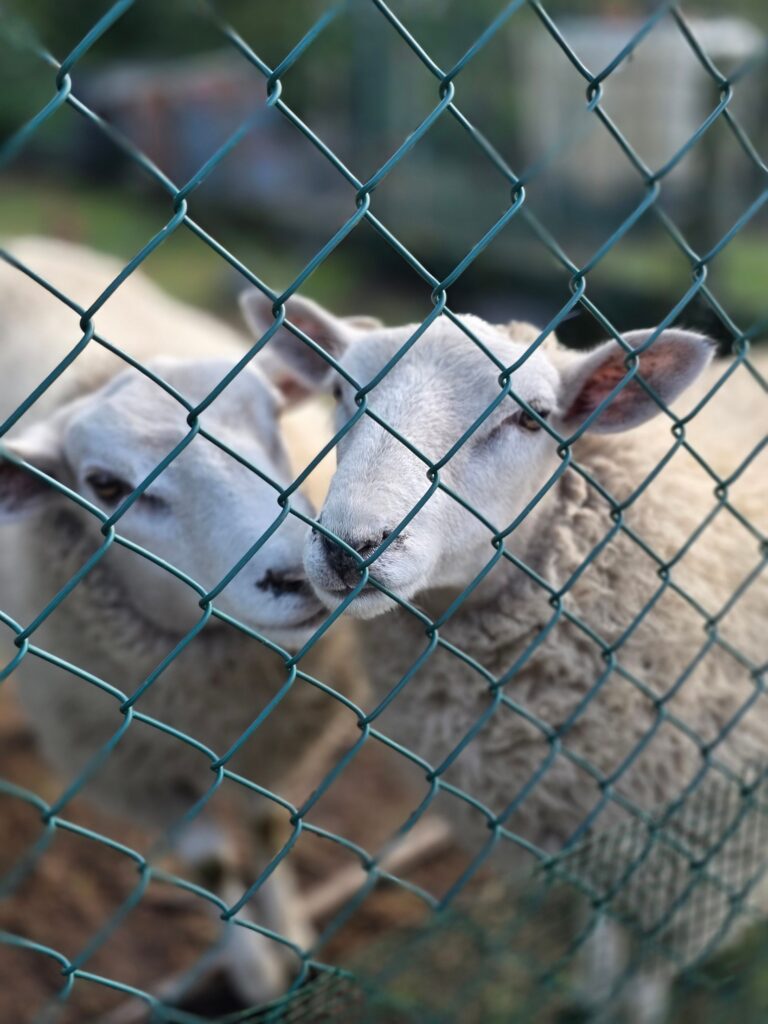
Photo: Ifra RL on Pexels