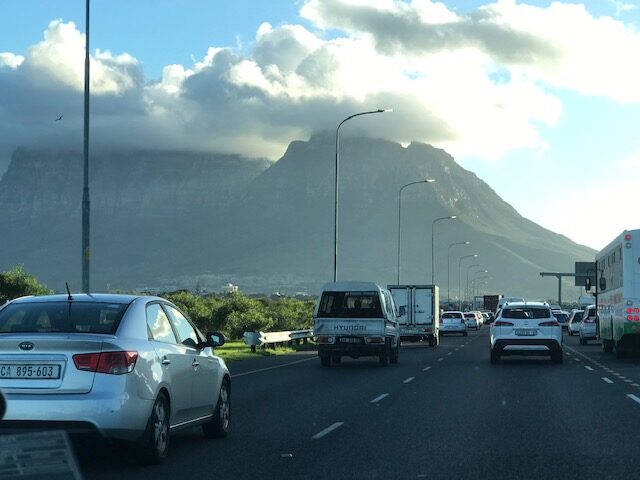
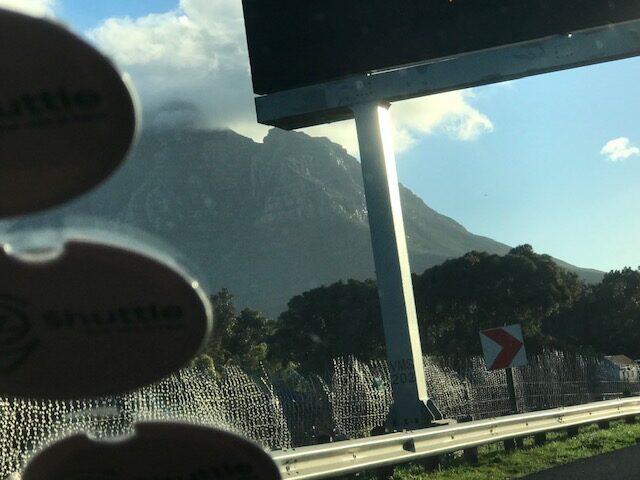

After an uneventful flight we touched down at Cape Town International Airport on Monday 29th June before 16h00.
The shuttle driver was waiting at the exit with a small placard bearing my name. We began the trip to the Wild Olive Guest House.
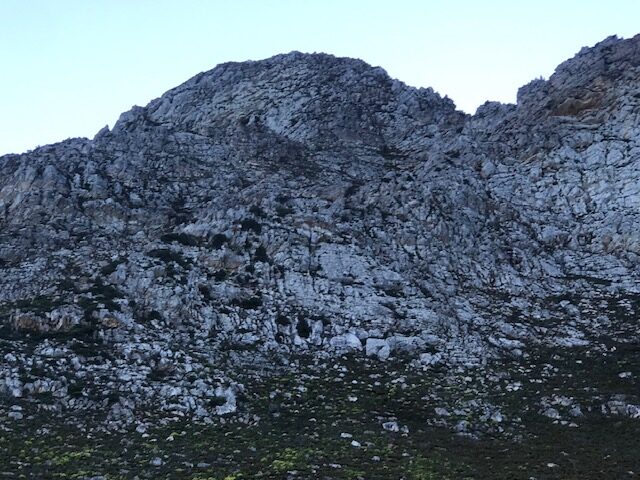
I was in town as part of a media invitation from WWF-SA to see its work securing the Rooiels corridor, an area between the small villages of Rooiels and Pringle Bay east of Cape Town, for conservation. This had been a long-held dream, and was now becoming a reality.
The evening was a quiet affair of welcome rest, mutton chops and a comfortable night.
I was waiting in the garden at the guest house in the morning when the shuttle arrived. Andrea Weiss, the media manager at WWF-SA greeted and welcomed me, and I met some new faces, journalists from publications including Mail & Guardian, Getaway and the Sunday Times.
We worked our way east of Newlands, listening out for news and on our toes, so to speak: it was 30th June, a day on which nationwide anti-illegal migrant protests were expected.
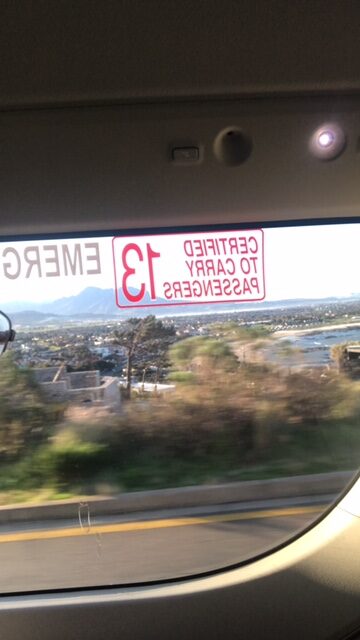
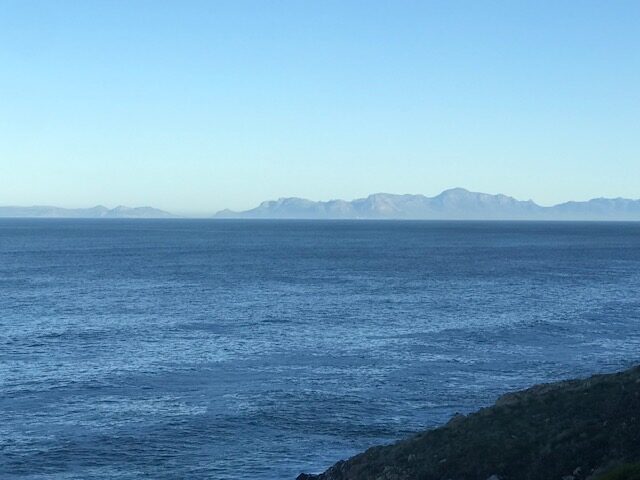
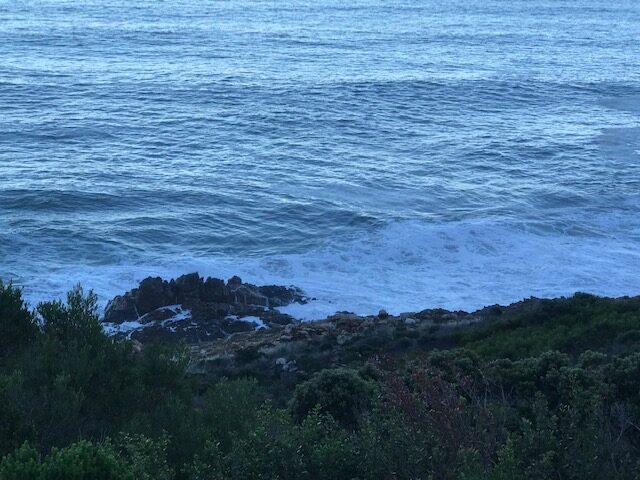
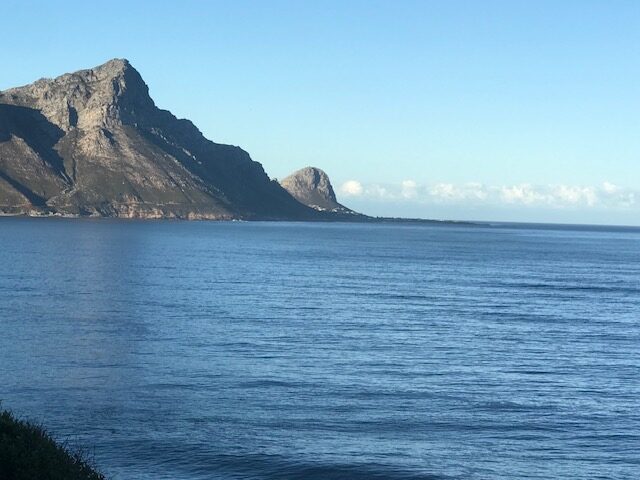
We passed Gordon’s Bay, driving east on Clarence Drive, enjoying the incredible stretch of coastline that runs from here, through Rooiels to Pringle Bay and beyond.
The reader will appreciate that property prices in Cape Town and the areas feeding into it have been pricing people out of areas in which they have historically lived and there is some unhappiness and much debate about this. The price of land also makes it mostly unfeasible – certainly a very expensive endeavour! – to buy property in order to save the rich biodiversity present from development.
How to save the incredible biodiversity, sometimes said to outstrip that of the Amazon rain forest?
How to save the hundreds of unique species (attempts have been made to count them) found nowhere else on Earth?
In the distance we could see Rooiels, and beyond it was Pringle Bay where the next leg of our journey would begin.